
Taxonomy
Data-Driven Redesign, How to Safely Replace Your Category Tree
Data is the only reliable way to rework your category tree without hurting performance. Learn how to redesign your ecommerce taxonomy safely.
Automate every step of your product catalog, from data enrichment and content creation to photo optimization.
Explore the PlatformStreamline operations with automated workflows for every industry, business model, and role.
Explore solutionsTaxonomy
Search data shows how shoppers really look for products. Learn how to use your site search data to improve your ecommerce taxonomy and navigation.
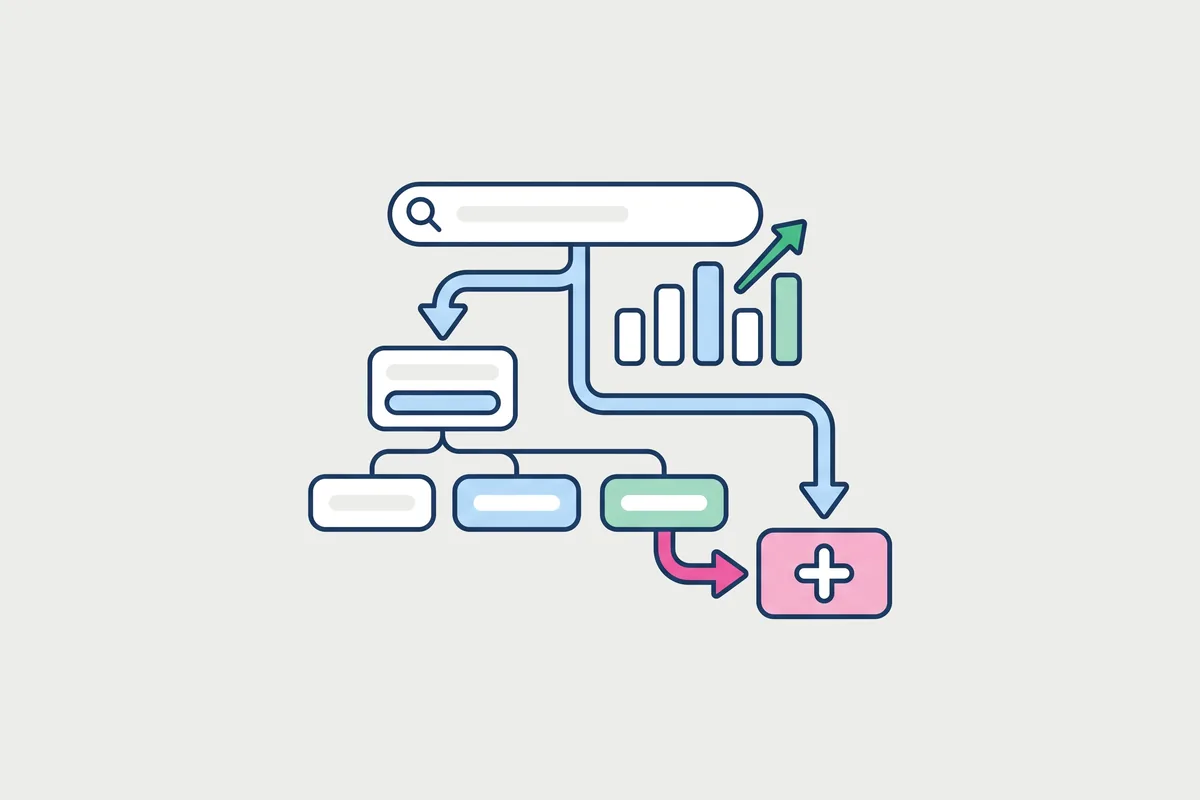
Search data taxonomy improvement is one of the most effective, overlooked strategies in e-commerce. Every time a customer types into your search bar, they leave behind a clue about how they think, what they want, and how your current taxonomy might be falling short.
This guide will walk you through how to turn that raw data into a blueprint for a better category structure, one that matches real-world behavior and removes friction from the shopping journey.
The first step is understanding what people are really searching for. Intent analysis helps you go beyond keywords to uncover motivation. Customers might type "comfy work shoes" or "wireless earbuds for running", phrases that reveal more than just product type. They show use cases, lifestyle needs, and emotional drivers.
By decoding this intent, you can spot emerging trends, align your taxonomy to customer language, and prioritize the product attributes that matter most. It helps shift your structure from brand-centric to customer-driven.
🔍 How to uncover intent:Once you have a handle on intent, use it to spot where your taxonomy is misaligned. If users frequently search for terms that don't match any category or filter, that's a signal something's missing.
You might discover that shoppers are looking for bundles, materials, or themes that aren't represented in your navigation. This creates friction and forces them to guess their way through the site—or worse, abandon it entirely.
⚠️ Key indicators of issues:Armed with insight, it's time to restructure. Search data helps you validate what categories matter most. It lets you move beyond assumptions and base your changes on evidence.
You might find that a popular search term deserves its own subcategory. Or that two similar categories are causing confusion and should be merged. Search flow patterns can even guide you in creating more intuitive navigation paths or dynamic filters.
📊 Ways to act on the data:Taxonomy isn’t a one-and-done project. Keep an eye on how changes perform and stay responsive to new patterns. Search behavior evolves quickly, especially with seasonal trends, new product launches, or marketing campaigns.
Your job is to stay ahead by treating taxonomy as a living structure. Regularly review performance data, test small changes, and listen to how users interact with your search and navigation features.
🔁 Ongoing steps:Search data taxonomy improvement gives you a direct line into the minds of your shoppers. When you let their behavior shape your category structure, you reduce friction, boost discoverability, and build a smarter, more agile storefront. Start small, test continuously, and let the data lead the way.
Data is the only reliable way to rework your category tree without hurting performance. Learn how to redesign your ecommerce taxonomy safely.
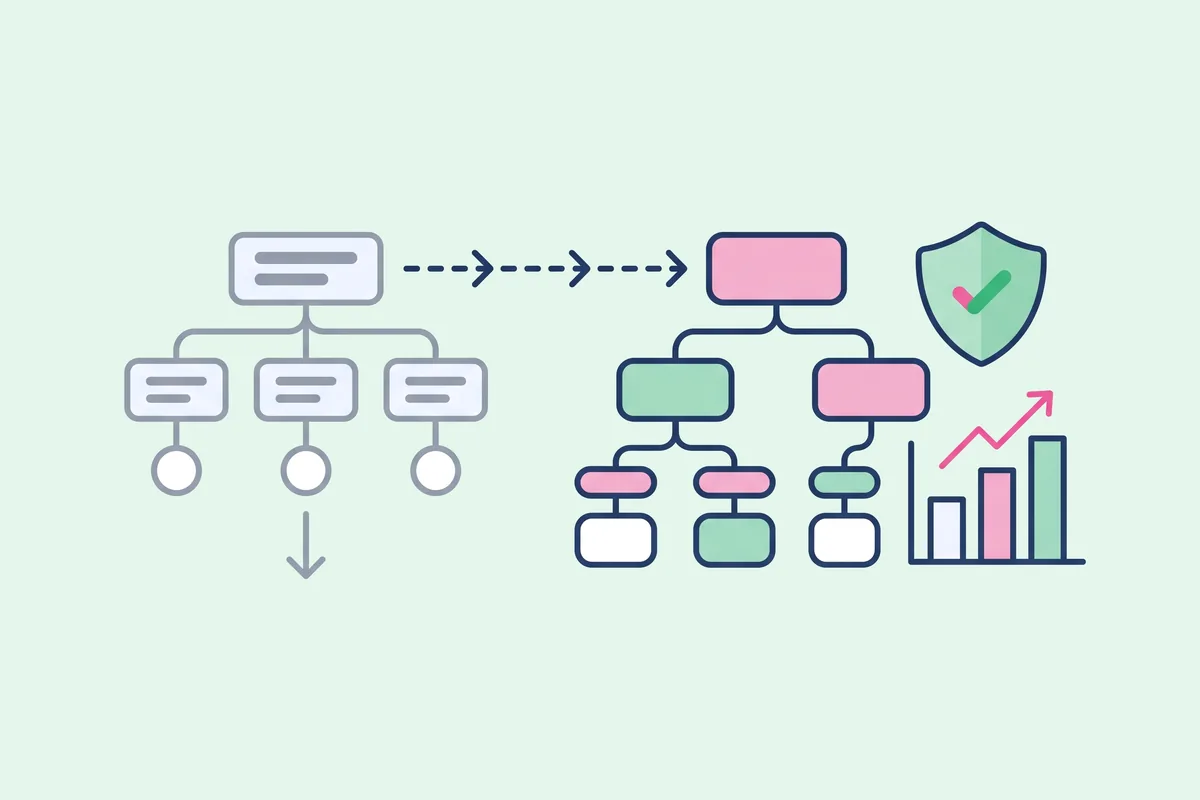
Incremental tweaks or a radical change? Learn how to tell when your ecommerce category structure needs a full overhaul instead of small fixes.
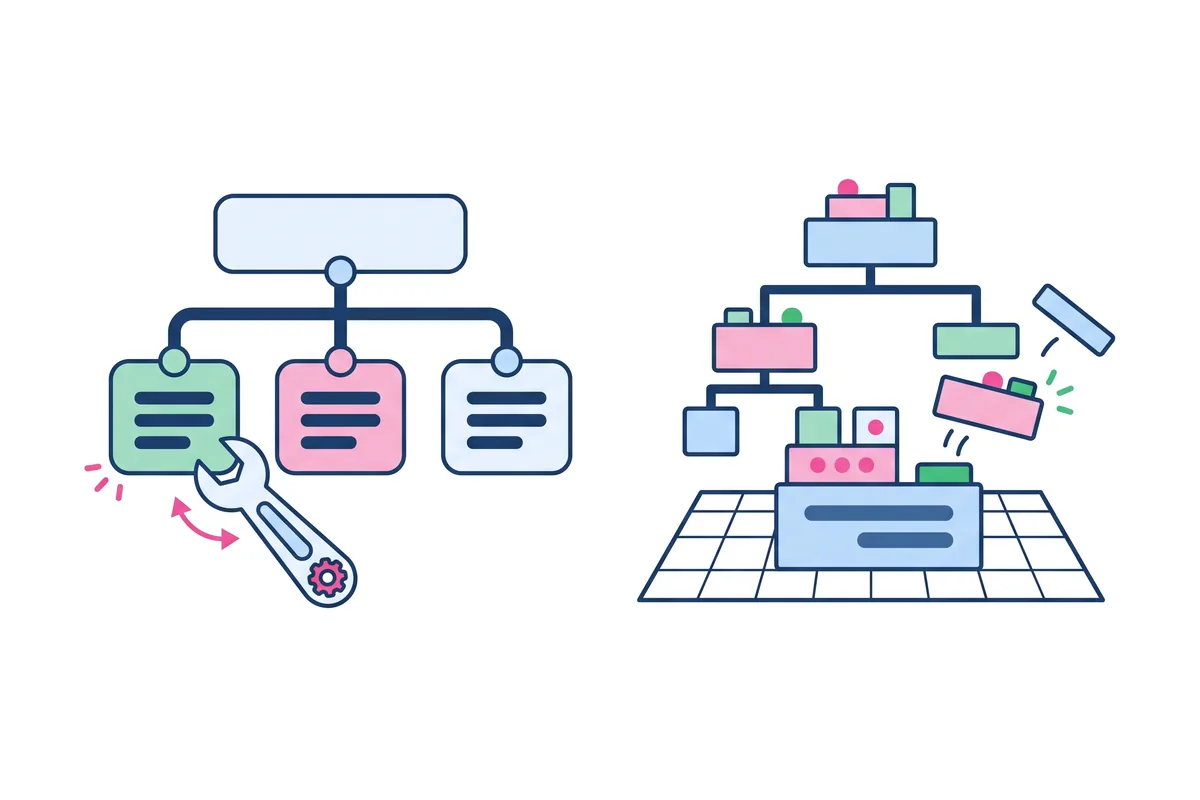
Real taxonomy overhauls show what works. Learn the lessons from ecommerce brands that replaced their category trees and what they would do again.

Newsletter