
Taxonomy
Data-Driven Redesign, How to Safely Replace Your Category Tree
Data is the only reliable way to rework your category tree without hurting performance. Learn how to redesign your ecommerce taxonomy safely.
Automate every step of your product catalog, from data enrichment and content creation to photo optimization.
Explore the PlatformStreamline operations with automated workflows for every industry, business model, and role.
Explore solutionsTaxonomy
Incremental tweaks or a radical change? Learn how to tell when your ecommerce category structure needs a full overhaul instead of small fixes.
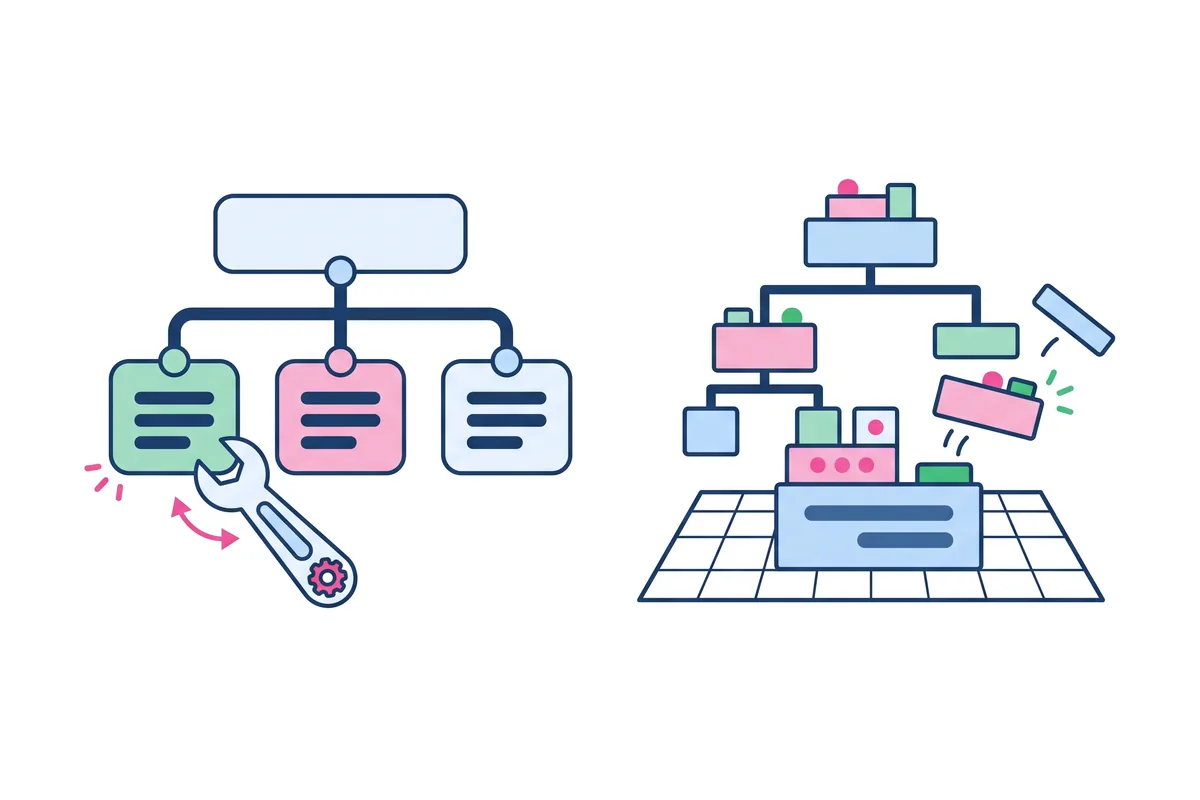
Incremental vs radical taxonomy changes is a question every e-commerce team will eventually face. You might notice your filters are outdated, your product categories don’t align with customer behavior, or internal teams struggle with data consistency. In these moments, you have two choices. You can make small improvements to your existing taxonomy, or you can take bold action and rebuild it from the ground up.
Understanding which path to take can save time, reduce confusion, and unlock long-term performance gains. This article outlines when minor changes work and when a full overhaul becomes the only real option.
Before you choose a direction, it’s important to understand what separates an improvement from an overhaul. These two approaches differ in scope, impact, and purpose.
These are targeted updates to improve specific pain points without disrupting the core structure.
Incremental changes work well when your base structure is solid but needs cleanup.
This is a complete redesign of your category tree and attribute model. It usually happens when the current system no longer supports your scale or strategy.
Radical change demands more effort, but it creates a system designed for your current and future needs.
Choosing between incremental vs radical taxonomy changes is not always clear-cut. Use this decision framework to guide your process.
Start with analytics and customer insights. If users drop off during navigation or constantly search for terms that don’t appear in your structure, small fixes may not be enough.
If the answer is yes to most of these, consider a bigger structural change.
Your taxonomy should support your internal teams, not slow them down. If merchandisers, marketers, or analysts are constantly making exceptions or manual edits, the structure is likely outdated.
Incremental improvements may offer short-term relief, but a full rebuild will fix the root cause.
Your structure should reflect your growth plans. If your taxonomy is holding back new product lines, partner integrations, or cross-border expansion, it may be time for a bigger shift.
A good structure is not just clean—it’s adaptable. If your future growth plans don’t fit your current taxonomy, that’s a clear signal for change.
Not every problem needs a rebuild. Sometimes, small changes are exactly what you need. This is especially true when:
In these cases, refining what you already have allows you to improve performance with minimal risk.
If your structure no longer reflects your catalog, your customer, or your brand, it’s time to think bigger. A full overhaul can create:
The choice between incremental vs radical taxonomy changes comes down to impact and intent. If you’re solving small, isolated issues, targeted improvements are enough. But when the structure itself no longer serves your users or your team, rebuilding is the smarter path. Use your data, listen to your users, and map your taxonomy to where your store is headed, not just where it’s been.
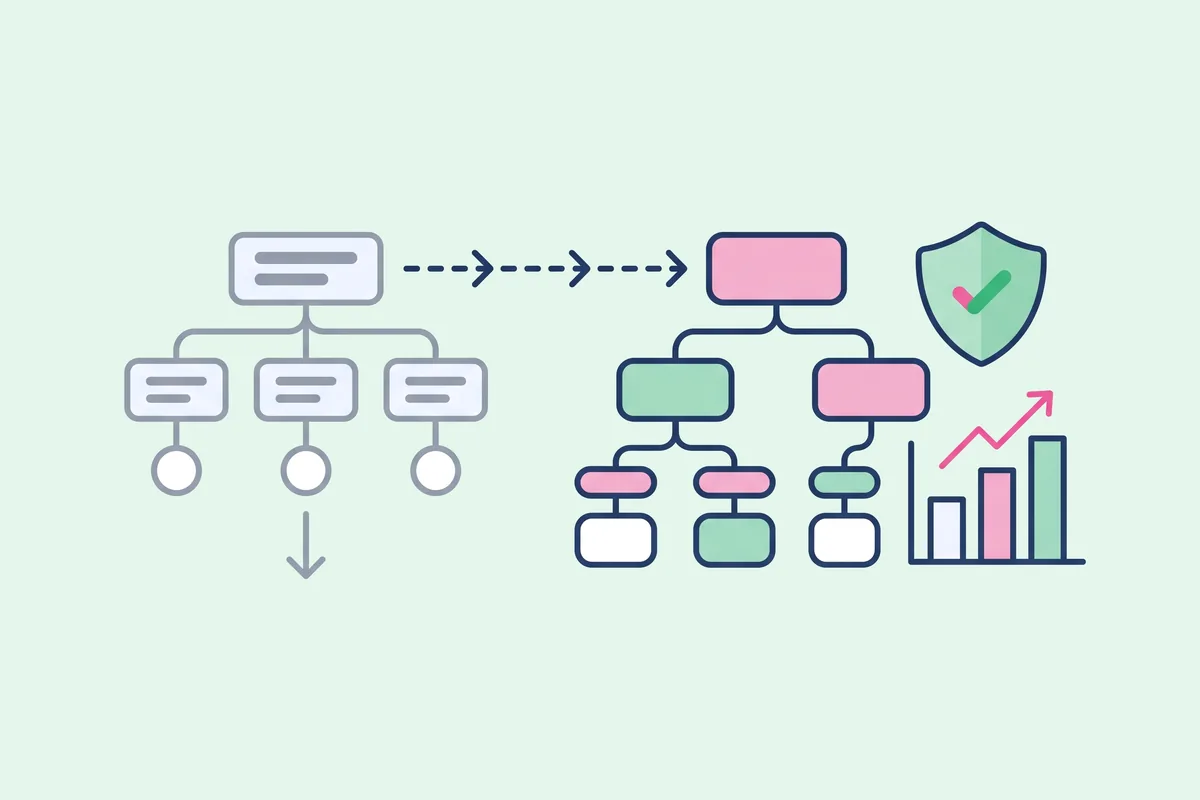
Data is the only reliable way to rework your category tree without hurting performance. Learn how to redesign your ecommerce taxonomy safely.
Real taxonomy overhauls show what works. Learn the lessons from ecommerce brands that replaced their category trees and what they would do again.

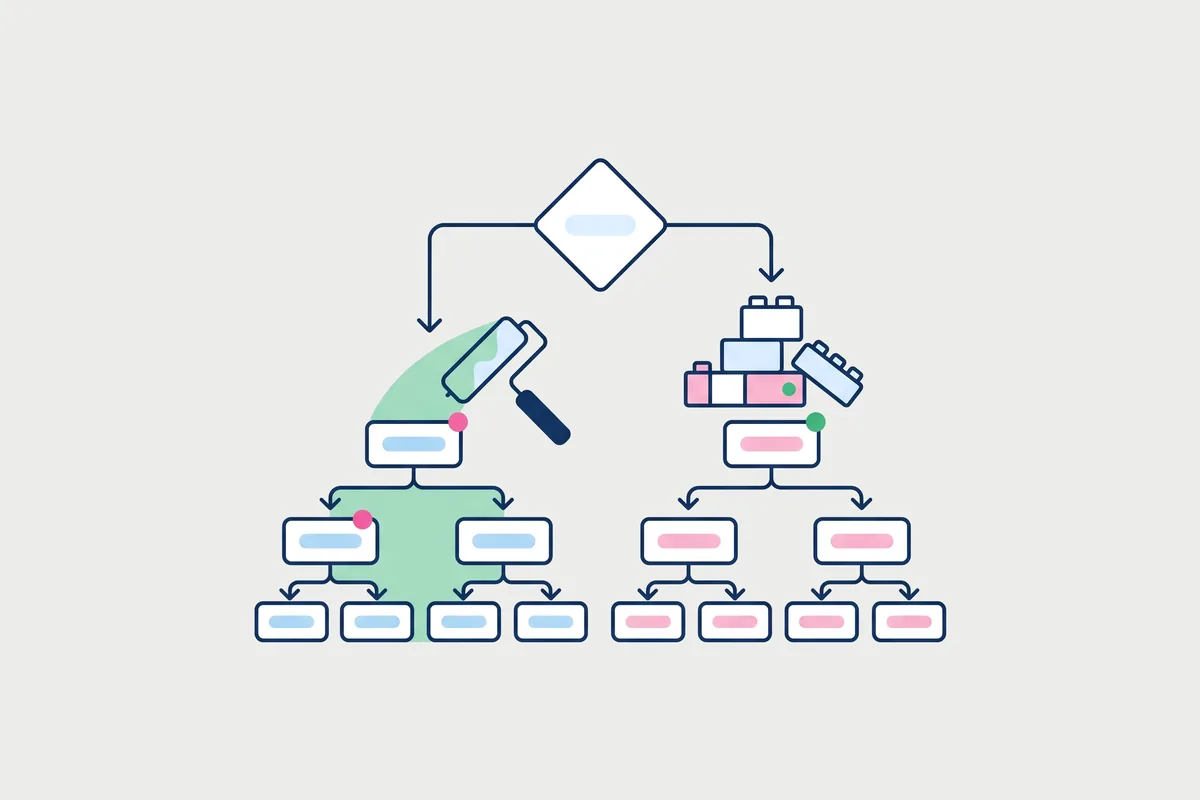
Your category tree shapes how products are found and sold. Use this decision framework to choose between a makeover and a full taxonomy rebuild.
Newsletter