
Taxonomy
Data-Driven Redesign, How to Safely Replace Your Category Tree
Data is the only reliable way to rework your category tree without hurting performance. Learn how to redesign your ecommerce taxonomy safely.
Automate every step of your product catalog, from data enrichment and content creation to photo optimization.
Explore the PlatformStreamline operations with automated workflows for every industry, business model, and role.
Explore solutionsTaxonomy
Your category tree shapes how products are found and sold. Use this decision framework to choose between a makeover and a full taxonomy rebuild.
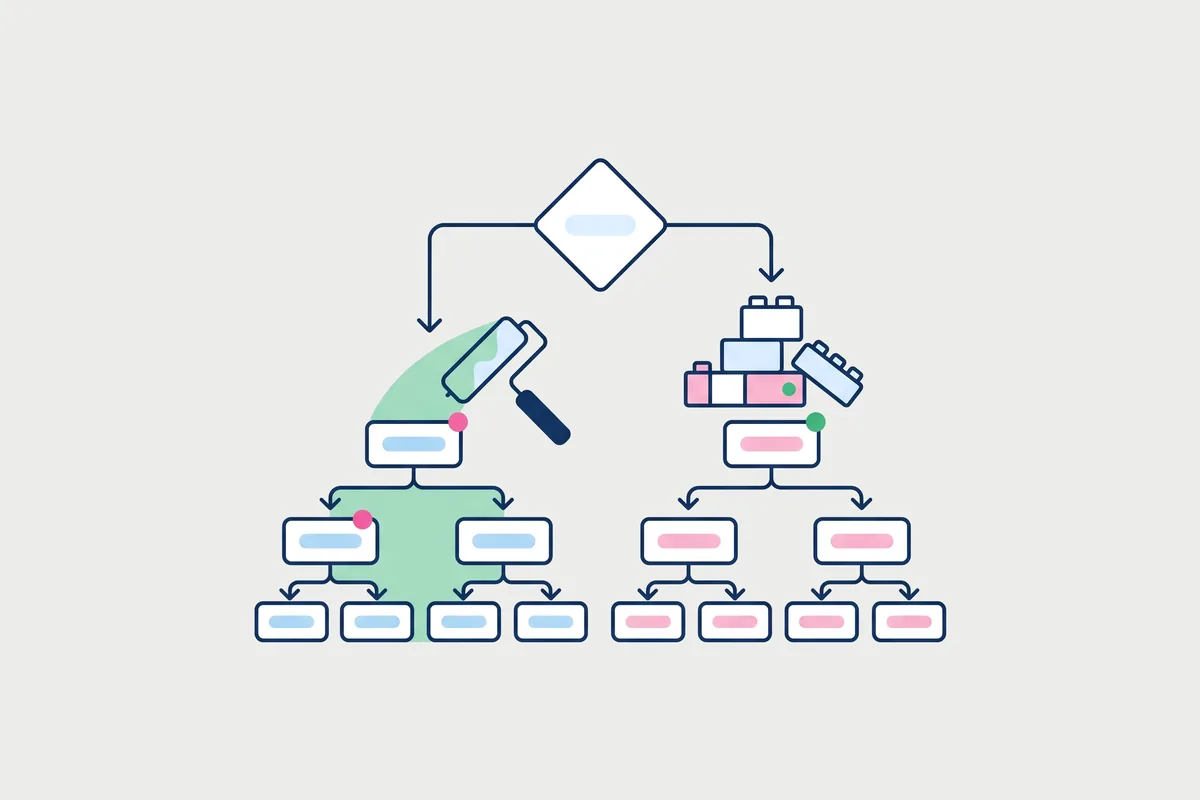
Taxonomy redesign strategy is not a one-size-fits-all decision. For e-commerce businesses, the category tree defines how products are organized, discovered, and sold. Over time, your taxonomy may start to feel outdated or unfit for how your catalog and customers have evolved. When that happens, you face a critical question, should you tweak your existing structure or rebuild it entirely?
This decision is more than just technical. It impacts SEO, user experience, internal workflows, and even how your brand is perceived. Choosing the right path means knowing when a light touch is enough and when it’s time to start over.
Not all category problems require a total overhaul. Sometimes, targeted improvements can restore clarity and performance. Other times, your structure is too outdated to fix with surface-level changes. Each approach has its place.
The right taxonomy redesign strategy depends on how deep the issues go.
A category makeover works well when the structure is mostly sound, but some areas need refinement. These cases are common in stores that have grown steadily and kept some level of content discipline.
If most users can find what they need but occasionally get stuck, you likely just need a few adjustments to labels or filters.
When new inventory can be slotted into your current structure without confusion, the system still works.
If your SEO performance hasn’t dropped sharply but shows signs of stagnation, a makeover can help you regain momentum.
When your staff can still manage the taxonomy with ease, small changes are often enough to bring it up to speed.
If attributes and metadata are outdated but the category hierarchy still works, a cleanup may be all you need.
In some situations, the foundation itself is flawed. A full rebuild becomes the smarter taxonomy redesign strategy when your structure can no longer scale or serve your goals effectively.
If your store has added entire new product types or shifted to a different model, the old structure may not fit anymore.
When customers frequently abandon sessions, rely on search instead of browsing, or skip categories altogether, your taxonomy is likely failing them.
If your organic rankings have dropped and your pages are no longer indexed well, your category structure could be to blame.
When tagging, merchandising, or reporting becomes difficult due to inconsistent or bloated taxonomy, a reset can streamline operations.
If you’re migrating to a new CMS or storefront, it’s the perfect opportunity to rebuild and align your taxonomy with modern standards.
Use this simple framework to evaluate whether a makeover or a rebuild is the better approach. It helps balance speed, effort, and long-term value.
This process brings clarity to what often feels like a complex decision.
Choosing the right taxonomy redesign strategy is about understanding your current system’s strengths and weaknesses. A targeted makeover might solve immediate problems without disruption. But when your structure no longer supports your growth, a rebuild becomes a strategic investment. By following a clear decision framework, you avoid guesswork and align your taxonomy with what your customers, team, and search engines actually need.
Data is the only reliable way to rework your category tree without hurting performance. Learn how to redesign your ecommerce taxonomy safely.
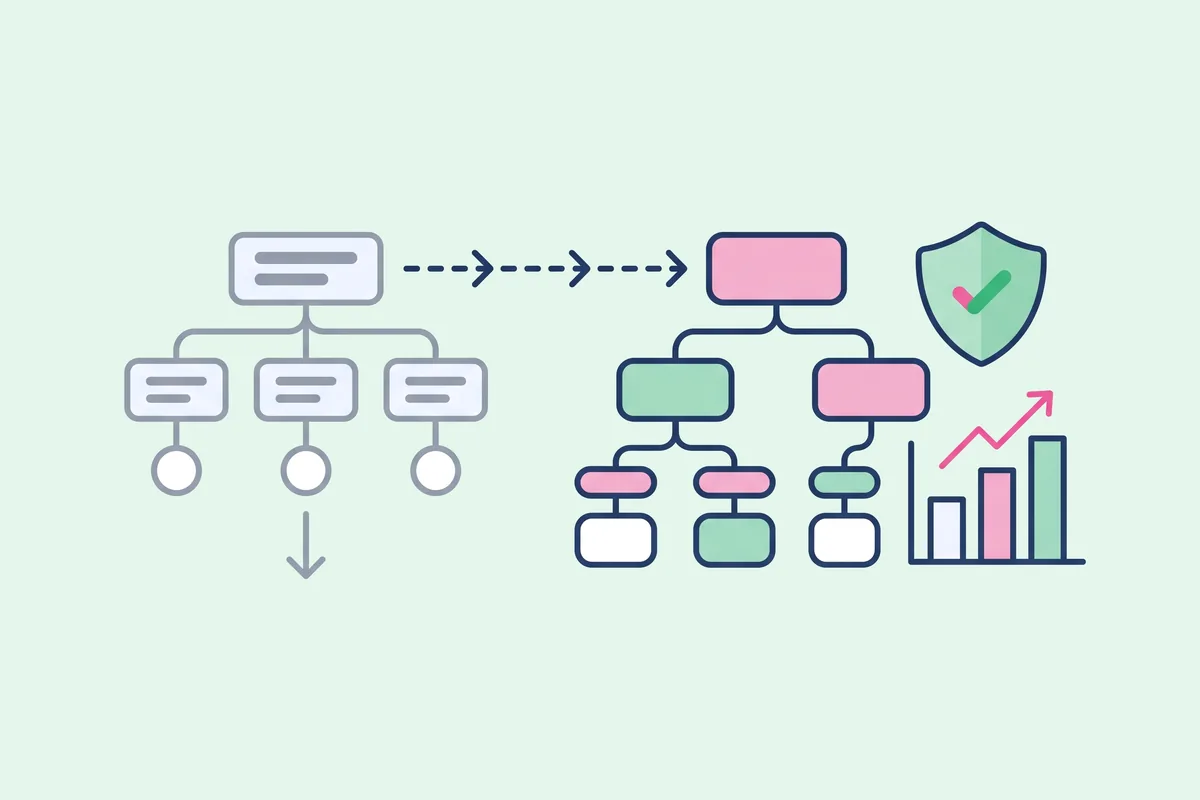
Incremental tweaks or a radical change? Learn how to tell when your ecommerce category structure needs a full overhaul instead of small fixes.
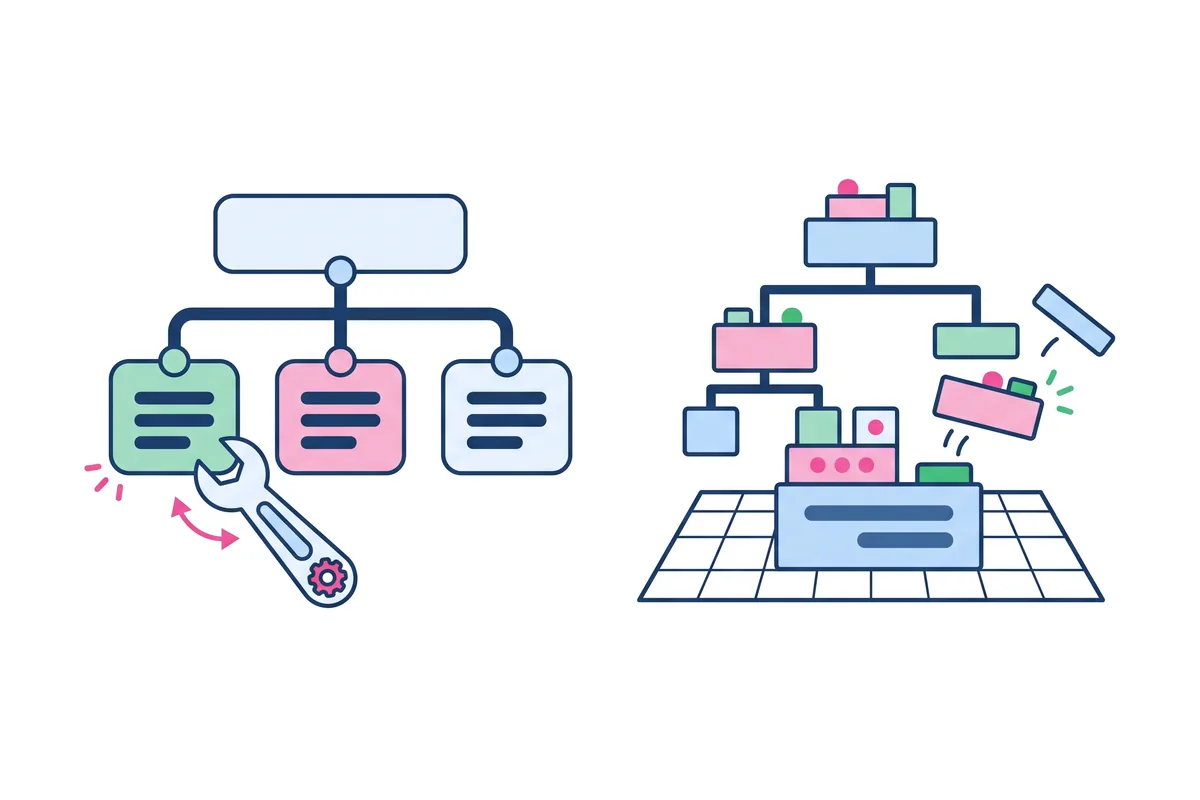
Real taxonomy overhauls show what works. Learn the lessons from ecommerce brands that replaced their category trees and what they would do again.

Newsletter