
Taxonomy
Data-Driven Redesign, How to Safely Replace Your Category Tree
Data is the only reliable way to rework your category tree without hurting performance. Learn how to redesign your ecommerce taxonomy safely.
Automate every step of your product catalog, from data enrichment and content creation to photo optimization.
Explore the PlatformStreamline operations with automated workflows for every industry, business model, and role.
Explore solutionsTaxonomy
Real taxonomy overhauls show what works. Learn the lessons from ecommerce brands that replaced their category trees and what they would do again.

Taxonomy overhaul case study insights are one of the most valuable resources for e-commerce teams facing structural challenges. Rebuilding your category system is no small task. It touches navigation, SEO, product tagging, and team workflows. But when your current setup no longer fits the scale or direction of your store, starting over might be the best decision.
This article breaks down real-world lessons from brands that replaced their entire taxonomy. These companies faced declining performance, growing catalog complexity, and customer confusion—and chose to act. Their experiences offer a proven framework for how to rebuild the right way.
Rebuilding a taxonomy is rarely the first option. But for the brands in these case studies, it became clear that small fixes wouldn’t solve their bigger problems. Their decision came after repeated symptoms made the limitations impossible to ignore.
As product assortments expanded, the original taxonomy couldn’t accommodate new lines or categories.
Category pages lacked content, keyword alignment, or internal linking, reducing search relevance.
Click maps and feedback revealed customers relied heavily on search or bounced early.
Tagging and merchandising became inconsistent, slowing campaigns and making reporting difficult.
The most successful taxonomy overhaul case study examples shared key habits. They approached the rebuild as a strategic initiative, not just a content rewrite. These lessons can shape your own approach.
Every successful project started with a clear outcome, guiding every decision along the way.
Teams focused on purpose over wishlists, using goals as their North Star.
Marketing, SEO, product, and service teams were included early to ensure scale and usability.
Cross-functional input aligned taxonomy with tagging, navigation, and content strategy.
Winners avoided jargon, using search data and behavior to name categories naturally.
Terms like “Home Office Chairs” outperformed vague phrases like “Ergonomic Seating.”
Successful teams established levels, standards, and logic before writing labels.
Standardized rules allowed new products to fit easily without special exceptions.
Top brands piloted changes in small sections before storewide updates.
Pilot launches helped detect gaps and reduce disruption at scale.
While taxonomy rebuilds take time and effort, the payoff can be significant. These brands shared measurable results that came directly from their structural changes.
These gains started showing within weeks of launch and continued to compound over time.
A smart taxonomy overhaul case study shows more than what to fix, it shows how to lead. These brands rebuilt their category structure with intention, based on real data and team collaboration. They proved that rebuilding isn’t about wiping the slate clean. It’s about building a better foundation for growth, performance, and user experience.
If you’re considering your own taxonomy overhaul, take these lessons to heart. Let them shape your plan, guide your structure, and help you move with confidence. And if you’d like a visual framework or editable worksheet to plan your own taxonomy project, just say the word.
Data is the only reliable way to rework your category tree without hurting performance. Learn how to redesign your ecommerce taxonomy safely.
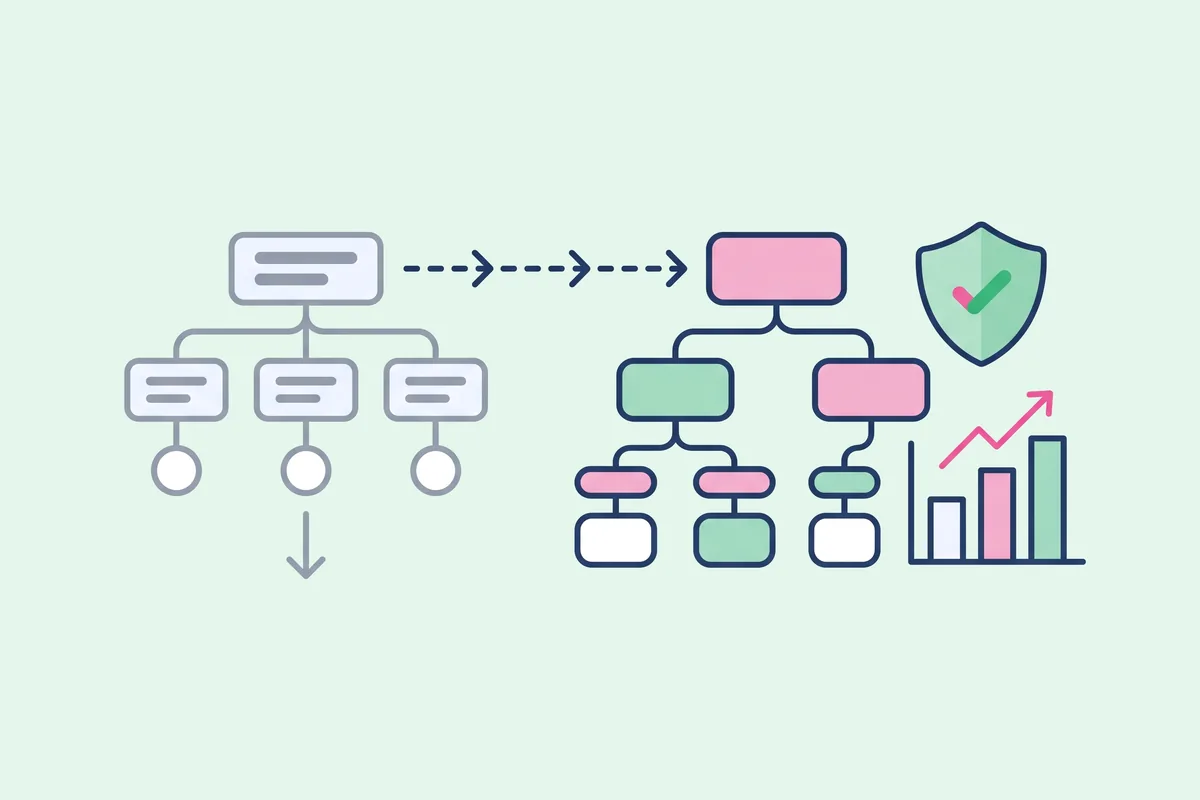
Incremental tweaks or a radical change? Learn how to tell when your ecommerce category structure needs a full overhaul instead of small fixes.
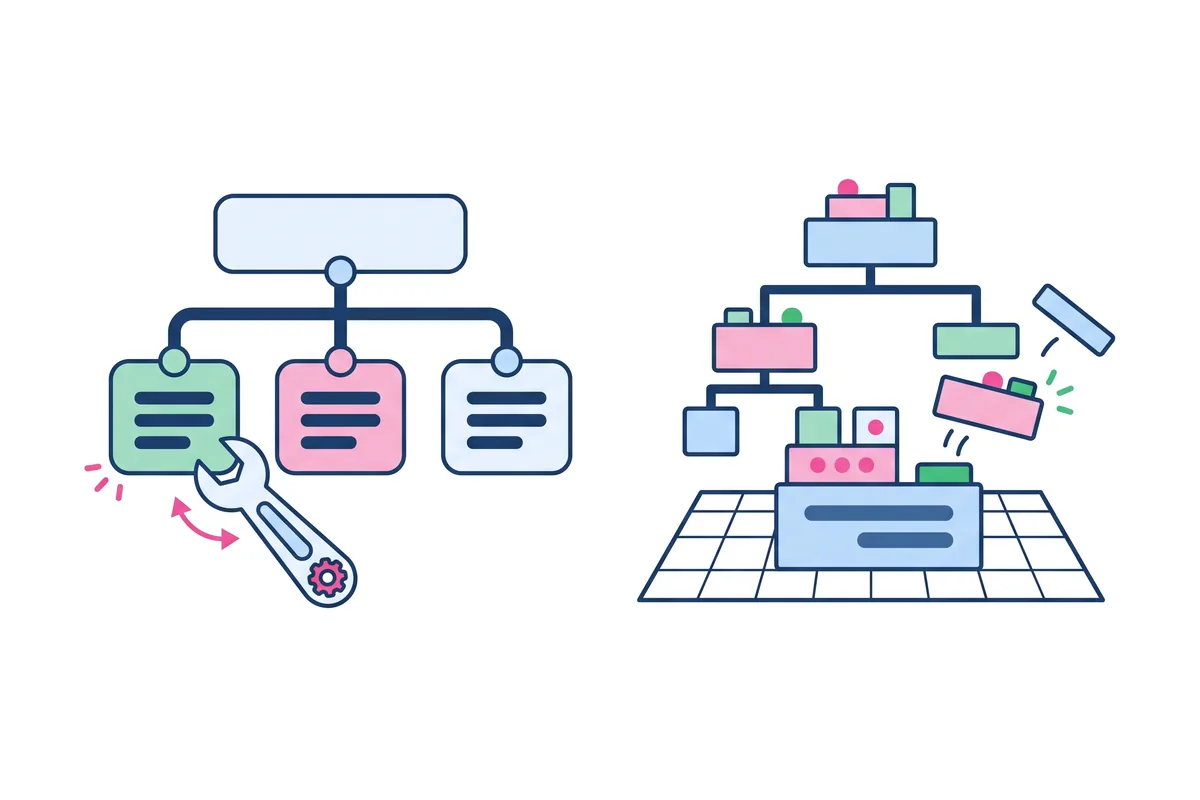
Your category tree shapes how products are found and sold. Use this decision framework to choose between a makeover and a full taxonomy rebuild.
Newsletter