
Taxonomy
Data-Driven Redesign, How to Safely Replace Your Category Tree
Data is the only reliable way to rework your category tree without hurting performance. Learn how to redesign your ecommerce taxonomy safely.
Automate every step of your product catalog, from data enrichment and content creation to photo optimization.
Explore the PlatformStreamline operations with automated workflows for every industry, business model, and role.
Explore solutionsTaxonomy
A clear category structure is key to a seamless shopping experience. Learn how to structure your ecommerce categories so shoppers find more, faster.

Understanding how to structure ecommerce categories is one of the most important steps for creating a seamless shopping experience. Confusing menus, redundant sections, and buried products all create friction for shoppers. If you're wondering how to structure ecommerce categories, this guide is your starting point.
In e-commerce, a smart category structure improves navigation, boosts SEO, and leads customers straight to what they need. Let’s walk through key concepts and steps to help you build a category setup that scales with your store.
Before organizing anything, think like a shopper. What do they expect to find, and how would they look for it?
Tips to get started:
Too many levels deep, and you risk confusing or losing users. A good rule is to keep top-level categories broad and intuitive.
Example structure:
Make sure each subcategory flows naturally from the one above it. Think in terms of narrowing down choices, not branching sideways endlessly.
It’s tempting to create many paths to the same product, but this can backfire. Overlaps make maintenance harder and confuse both users and search engines.
How to fix this:
Your structure shouldn’t be static. As trends shift and your inventory grows, adjust your categories based on performance.
Smart moves:
Understanding how to structure ecommerce categories sets the foundation for better shopping experiences and stronger SEO. Clear, logical categories help customers navigate quickly and make purchases with confidence. Start simple, think customer-first, and grow your taxonomy with purpose.
Data is the only reliable way to rework your category tree without hurting performance. Learn how to redesign your ecommerce taxonomy safely.
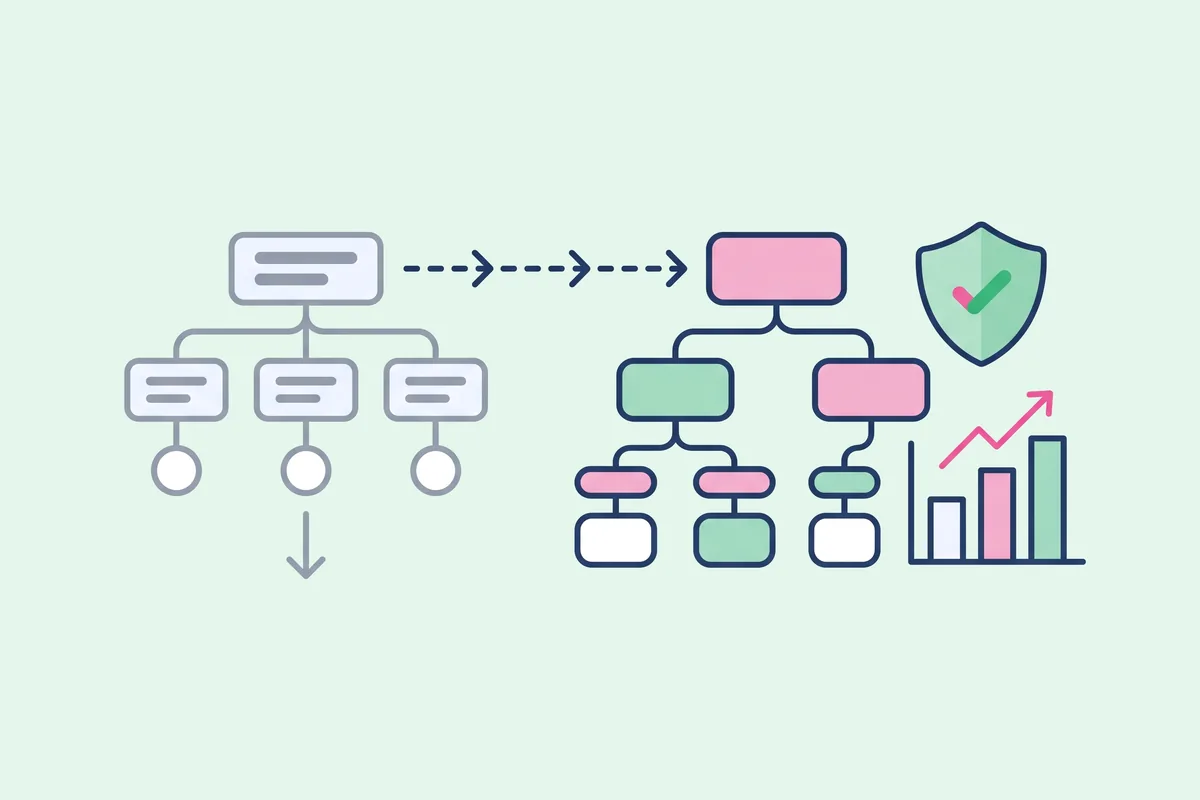
Incremental tweaks or a radical change? Learn how to tell when your ecommerce category structure needs a full overhaul instead of small fixes.
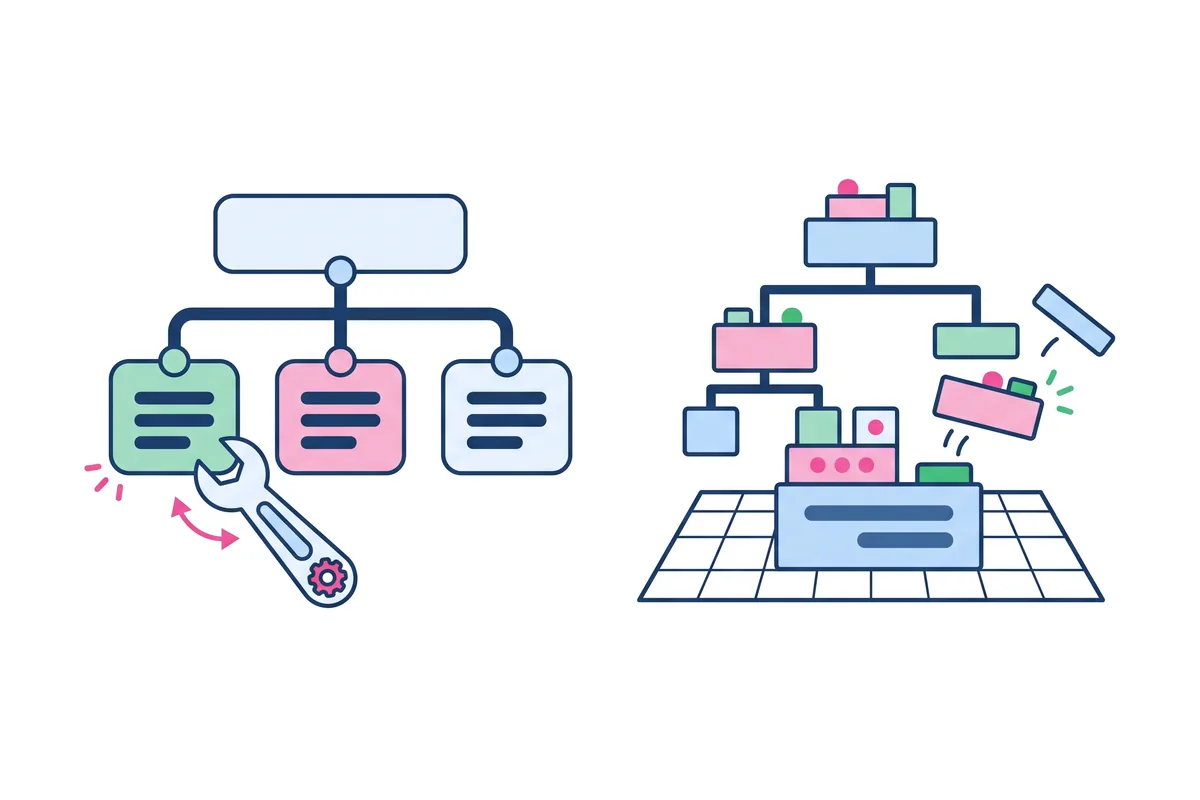
Real taxonomy overhauls show what works. Learn the lessons from ecommerce brands that replaced their category trees and what they would do again.

Newsletter