
Taxonomy
Data-Driven Redesign, How to Safely Replace Your Category Tree
Data is the only reliable way to rework your category tree without hurting performance. Learn how to redesign your ecommerce taxonomy safely.
Automate every step of your product catalog, from data enrichment and content creation to photo optimization.
Explore the PlatformStreamline operations with automated workflows for every industry, business model, and role.
Explore solutionsTaxonomy
Your category structure touches navigation, search and SEO. Learn when rebuilding your ecommerce taxonomy from scratch is really worth the effort.

Rebuilding ecommerce taxonomy can feel like a daunting project. Your category structure touches every part of the user journey, from navigation to search and even SEO. But when your taxonomy no longer reflects your catalog, your customer behavior, or your business goals, patching it up might not be enough. The real question is whether it’s time to start over and rebuild from the ground up. That decision requires careful thought, a clear plan, and a deep understanding of how your current taxonomy is performing.
Most e-commerce teams tweak and adjust their category tree over time. That works for minor changes, like adding a seasonal line or renaming a label. But if your entire structure feels outdated, broken, or confusing, a complete rebuild may be the better move.
There are clear signs that your current taxonomy is holding you back:
In these cases, rebuilding ecommerce taxonomy can unlock new efficiency, better UX, and stronger performance across your store.
Rebuilding a taxonomy is not just a technical task, it’s a strategic one. Asking the right questions upfront helps you decide whether to rebuild completely or optimize what you already have.
If your assortment has doubled or shifted toward new categories, your old structure may no longer support the current reality.
If heatmaps, exit pages, or search terms suggest confusion, the root issue could be a taxonomy that doesn’t reflect user intent.
A poorly structured taxonomy can create bottlenecks in tagging, merchandising, and reporting. This affects every part of the business.
If your positioning, audience, or product focus has evolved, your structure should reflect those changes to stay aligned with your goals.
Major tech changes are the perfect time to rethink how your taxonomy is built and managed across your entire ecosystem.
If you decide a rebuild is the right move, follow these steps to make the process smooth, efficient, and aligned with both user needs and SEO best practices.
Map out your current taxonomy. Look for overlapping categories, unused labels, and areas where customers get stuck or lost.
Bring in insights from marketing, SEO, product, and support teams. A strong taxonomy must work for every part of your business.
Build a structure that reflects your inventory and customer journey. Use customer-friendly names, consistent formats, and logical parent-child relationships.
Before going live, validate your new taxonomy with internal tests and small user groups. Measure how easily people can find what they need.
Don’t launch everything at once. Roll out category changes in phases, document every update, and train your teams to ensure a smooth transition.
While rebuilding ecommerce taxonomy takes effort, the benefits are wide-reaching. A well-designed category structure improves discoverability, streamlines operations, and enhances customer satisfaction. It becomes easier to create campaigns, track performance, and adapt to new trends. Your store feels more intuitive, responsive, and trustworthy, which leads to better conversion rates and longer customer engagement.
Rebuilding ecommerce taxonomy is not just about fixing what's broken. It’s about creating a structure that truly supports your customers, your team, and your long-term growth. If your current system is slowing you down or confusing your audience, it may be time to step back and start fresh. With the right strategy, you can rebuild your category tree into a powerful asset that drives performance and simplifies your e-commerce operations.
Data is the only reliable way to rework your category tree without hurting performance. Learn how to redesign your ecommerce taxonomy safely.
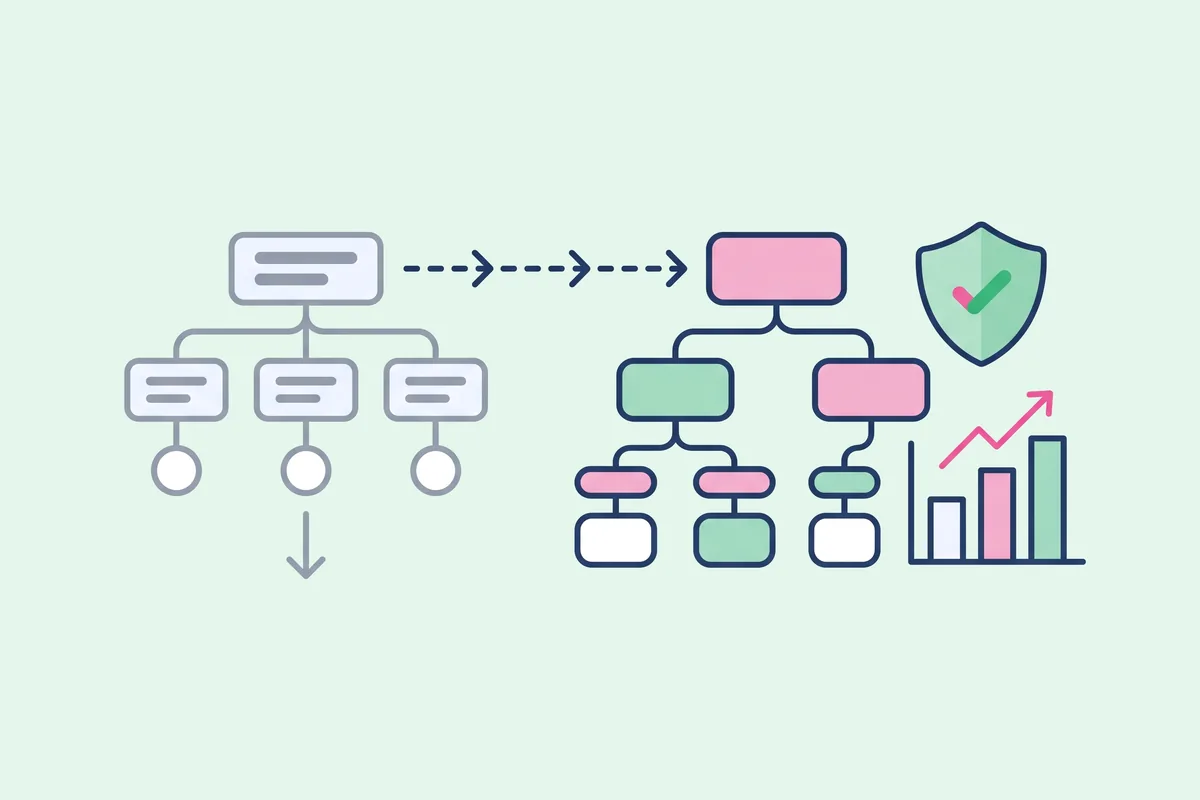
Incremental tweaks or a radical change? Learn how to tell when your ecommerce category structure needs a full overhaul instead of small fixes.
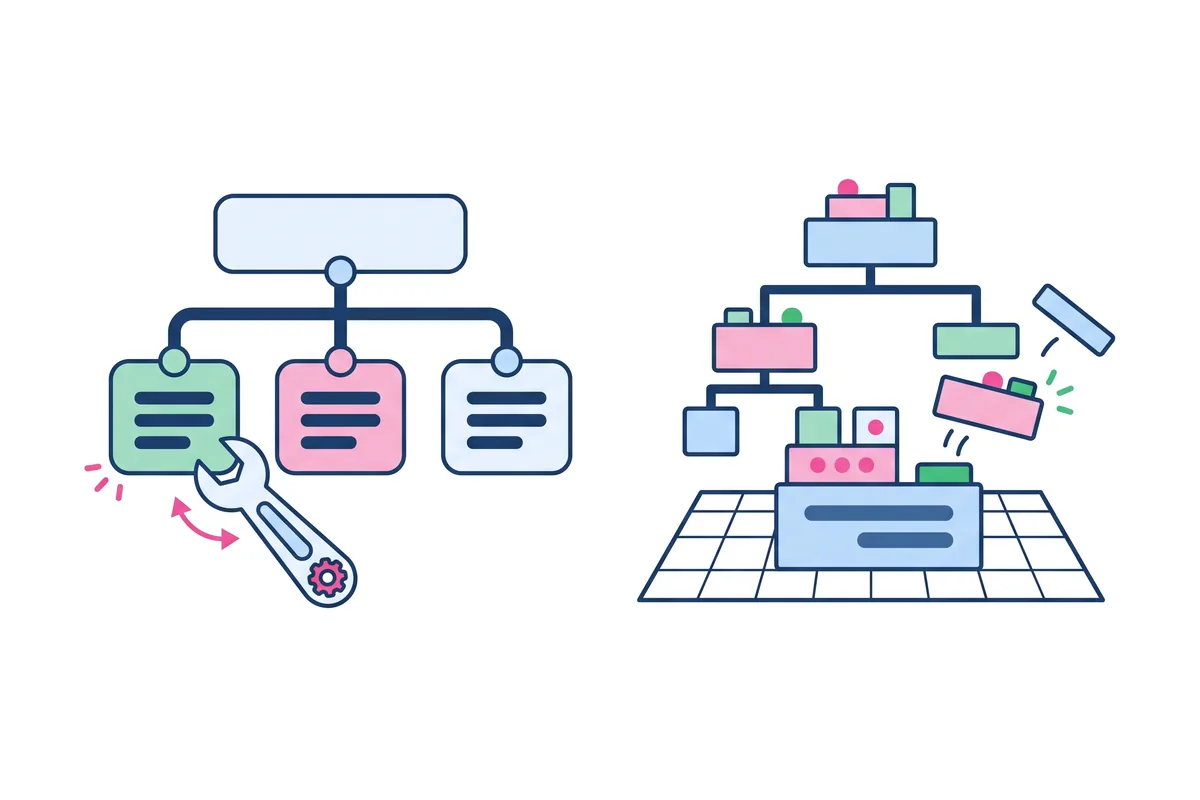
Real taxonomy overhauls show what works. Learn the lessons from ecommerce brands that replaced their category trees and what they would do again.

Newsletter