
Taxonomy
Data-Driven Redesign, How to Safely Replace Your Category Tree
Data is the only reliable way to rework your category tree without hurting performance. Learn how to redesign your ecommerce taxonomy safely.
Automate every step of your product catalog, from data enrichment and content creation to photo optimization.
Explore the PlatformStreamline operations with automated workflows for every industry, business model, and role.
Explore solutionsTaxonomy
A cluttered category tree slows shoppers down. Run a quick taxonomy check to simplify your structure and boost navigation across your online store.
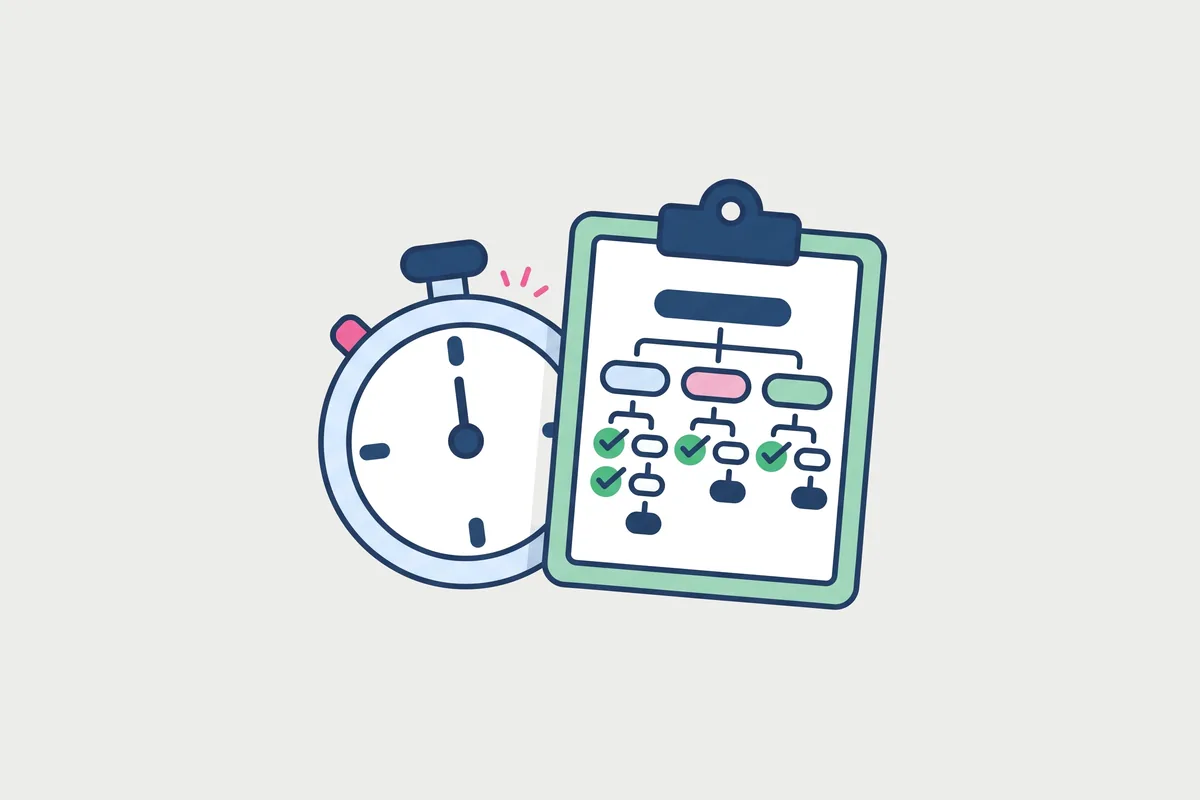
Every e‑commerce store needs a quick taxonomy check from time to time. When your category tree becomes too cluttered or complex, it affects how easily customers can find products and how search engines index your pages. If your categories feel bloated, messy, or just confusing, a 20‑minute audit can reveal where your taxonomy helps, or hurts, your customer journey.
Your category structure is the backbone of product discovery. It impacts SEO, user experience, and even conversion rates. When categories are too broad, too deep, or too inconsistent, shoppers bounce. Even worse, search engines struggle to understand your site structure, lowering your visibility.
Poor taxonomy can create friction at every step of the shopping journey. Customers get frustrated when they can’t quickly find what they need, leading to lost sales and abandoned sessions. On the back end, misaligned categories make it harder for merchandising teams to track inventory, manage promotions, or scale content efficiently.
That’s why routine checks on your taxonomy can pay off in better navigation, improved internal linking, and more accurate product attribution. A cleaner structure means better search performance, smoother site navigation, and a more intuitive experience for every visitor.
A quick taxonomy check is a short, focused review of your category tree. The goal is to spot issues fast, without diving into endless spreadsheets, technical audits, or complex tools. It’s a lean method for quickly assessing how well your category structure supports user experience, SEO, and internal consistency. Instead of a full‑blown content audit, you’re aiming to catch the most visible problems that hurt discoverability and conversion.
You’re not fixing everything at once. You’re identifying:
Look at your highest‑traffic or highest‑revenue sections. Are they easy to navigate? Do their subcategories make logical sense? Are products evenly distributed? Use heatmaps or Google Analytics to spot where users drop off or click away.
Type common search terms into your site’s search bar or use your main navigation. Can you find what you’re looking for in under three clicks? If not, your taxonomy may be too deep or disorganized.
Check for categories with very few products, or ones that overlap too closely with others. These are signs of poor categorization or bloated taxonomies that need pruning.
Open a few product pages across different categories. Are attributes and tags consistent? Do filters behave as expected? Inconsistent tagging breaks filtering and frustrates users.
Does each category page have a clear H1, meta description, and intro text? Are breadcrumbs working? These basic elements help search engines understand your site structure and improve indexing.
If you’re using Naratix agents, especially Dynamo and Nara, you can automate much of this process:
Pulls clean, structured product data that makes categorization easier and more scalable.
Generates SEO‑optimized category descriptions and helps ensure naming conventions are aligned across your site.
Together, they give you a sharper taxonomy and cleaner catalog, without manual work.
E‑commerce moves fast. Your category structure should keep up. A quick taxonomy check, done regularly, can prevent clutter, improve product discovery, and lift conversion rates. Best of all, it only takes 20 minutes to catch what’s slowing your store down.
Want to make your next audit even faster? Let Naratix agents handle the heavy lifting. You’ll fix more, guess less, and scale better.
Data is the only reliable way to rework your category tree without hurting performance. Learn how to redesign your ecommerce taxonomy safely.
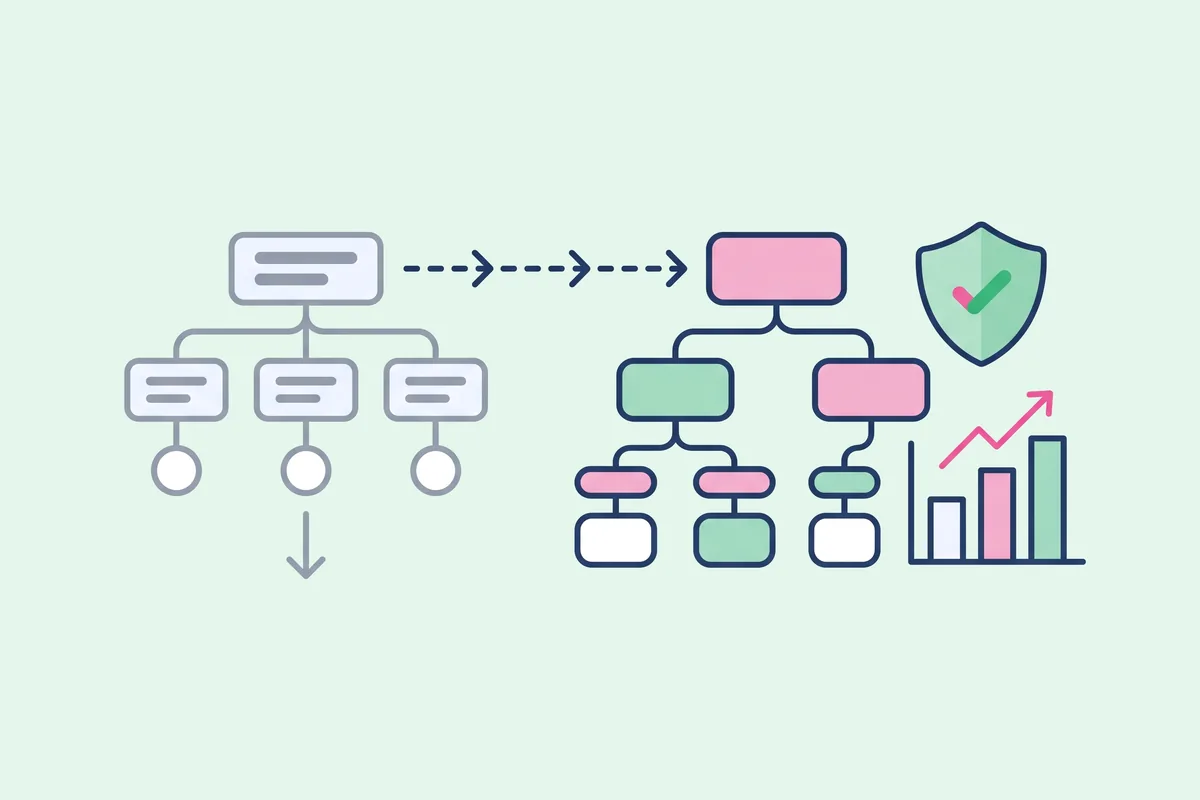
Incremental tweaks or a radical change? Learn how to tell when your ecommerce category structure needs a full overhaul instead of small fixes.
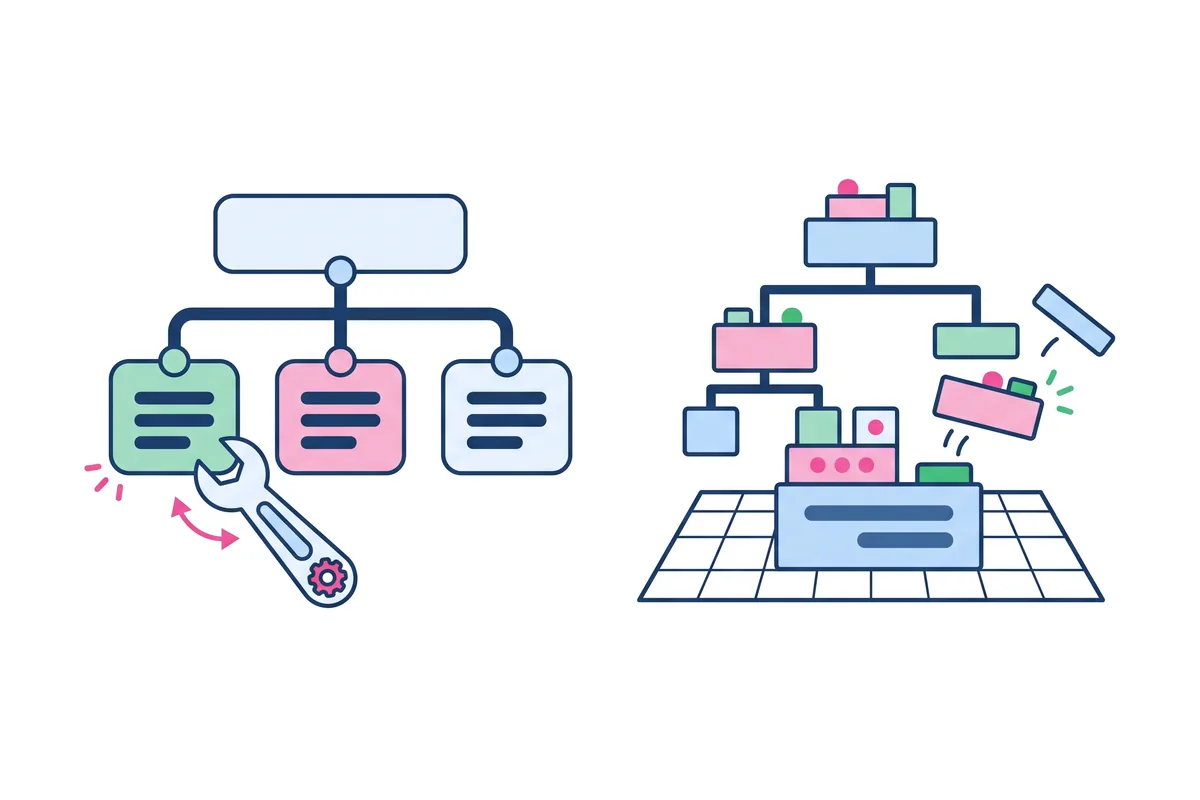
Real taxonomy overhauls show what works. Learn the lessons from ecommerce brands that replaced their category trees and what they would do again.

Newsletter