
Filters & Navigation
Dynamic Product Filters and How to Use Them
Dynamic filters adapt to context, stock and campaigns in real time. Learn how to use dynamic product filters to help shoppers find products faster.
Automate every step of your product catalog, from data enrichment and content creation to photo optimization.
Explore the PlatformStreamline operations with automated workflows for every industry, business model, and role.
Explore solutionsFilters & Navigation
Irrelevant filters quietly cost you conversions. Learn how filter relevance analysis improves your customer experience and your product page sales.
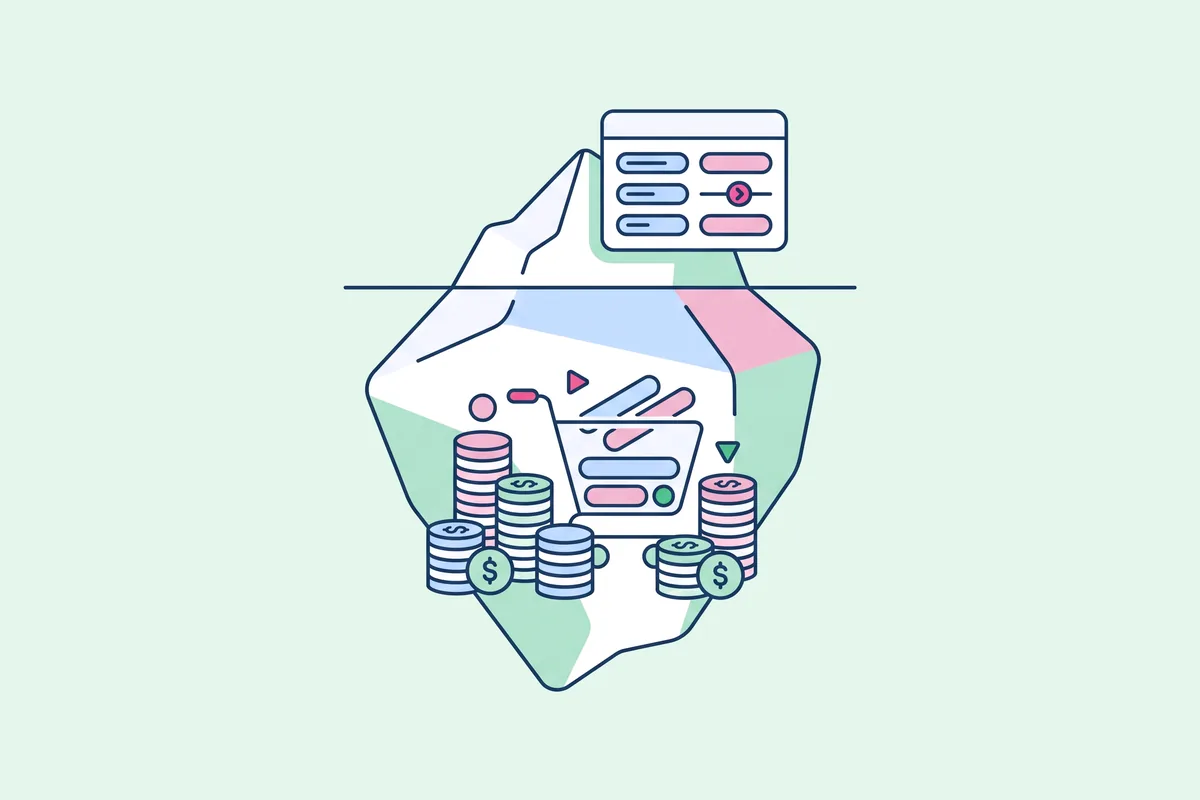
Filter relevance analysis is essential for any ecommerce business aiming to improve customer experience and increase conversions. When filters on your product pages are poorly aligned with what users actually need or want, they create unnecessary friction that directly impacts sales, trust, and SEO.
In this article, we’ll explore the hidden costs of irrelevant filters, the common causes behind them, and how to fix them using smart automation.
Filters help users navigate your store efficiently. They reduce overwhelm, narrow down choices, and connect shoppers with relevant products faster. But when filters are irrelevant or confusing, they do the opposite, leading customers away from their goals and toward exit pages.
Good filters make your catalog feel accessible. Irrelevant ones make your store feel broken. It’s not just about UX, it’s about business performance.
When users click a filter and land on an empty or confusing product list, they often leave. This bounce signals to search engines that your page didn’t meet expectations, hurting your SEO.
Shoppers expect filters to work intuitively. When filters display options that return few or no products, or when product tags don’t match filter labels, it creates a perception of poor quality or outdated data.
Filters that create dead-end pages or duplicate content can weaken your site’s SEO structure. They dilute keyword relevance and confuse search engine crawlers, reducing your chance of ranking.
Every broken filter leads to fewer viewed products, lower add-to-cart rates, and missed conversions. Misleading filters stop users from discovering what they’re actually looking for.
If products are tagged differently for the same feature, like “Navy” versus “Dark Blue,” filters may split relevant products across separate values. Customers miss items that should be grouped together.
Too many filter choices can overwhelm users. If your catalog is small but your filter options are massive, it creates unnecessary complexity with little value.
Filters that lead to zero results damage trust and usability. Customers quickly abandon filters that seem broken, even when the products exist elsewhere in the catalog.
This is where filter relevance analysis proves its value. It’s the ongoing process of reviewing your filters for clarity, accuracy, and usefulness, then improving them based on real catalog and user behavior.
Filter relevance analysis helps you:
Irrelevant filters might seem like a small detail, but they carry a big cost. From lost sales to reduced trust and lower rankings, they chip away at your performance every day. With ongoing filter relevance analysis, supported by the right tools and data practices, you can turn a cluttered filter system into a streamlined path to purchase.
Don’t let filter friction hold back your growth. Review your filters, refine your structure, and let every click bring your customer closer to conversion.
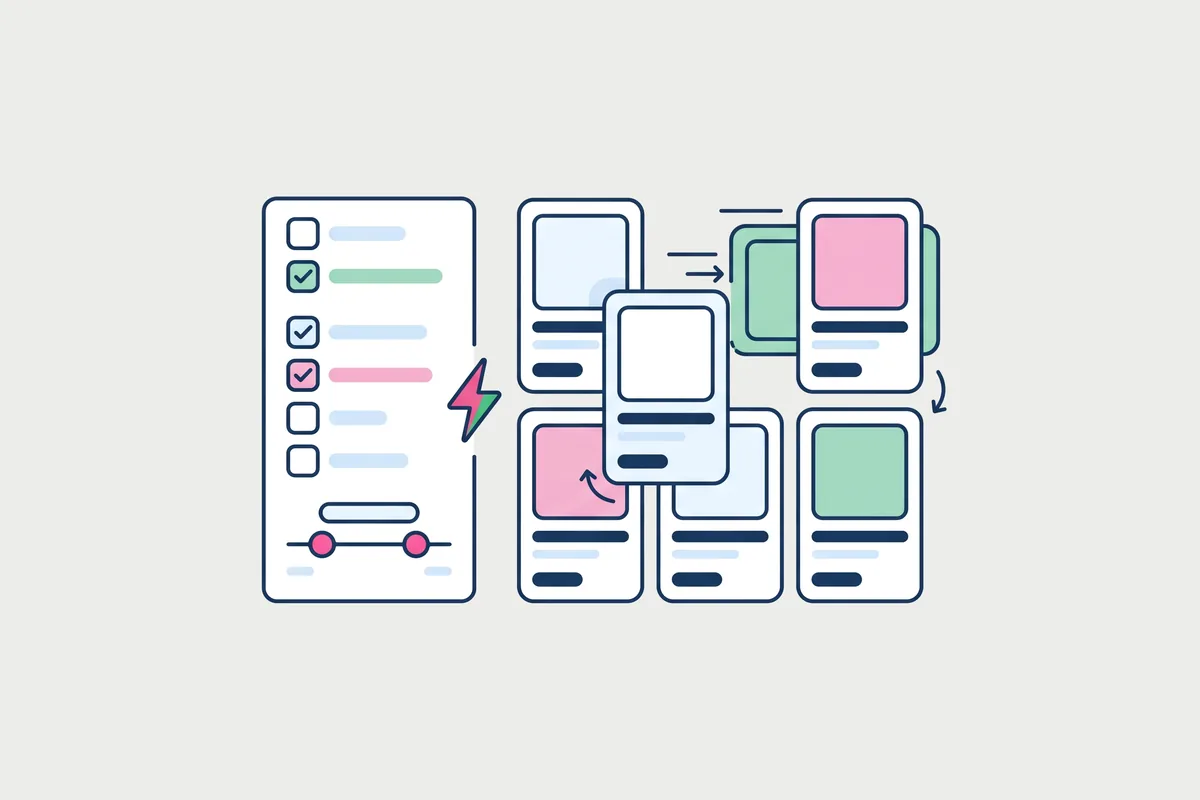
Dynamic filters adapt to context, stock and campaigns in real time. Learn how to use dynamic product filters to help shoppers find products faster.
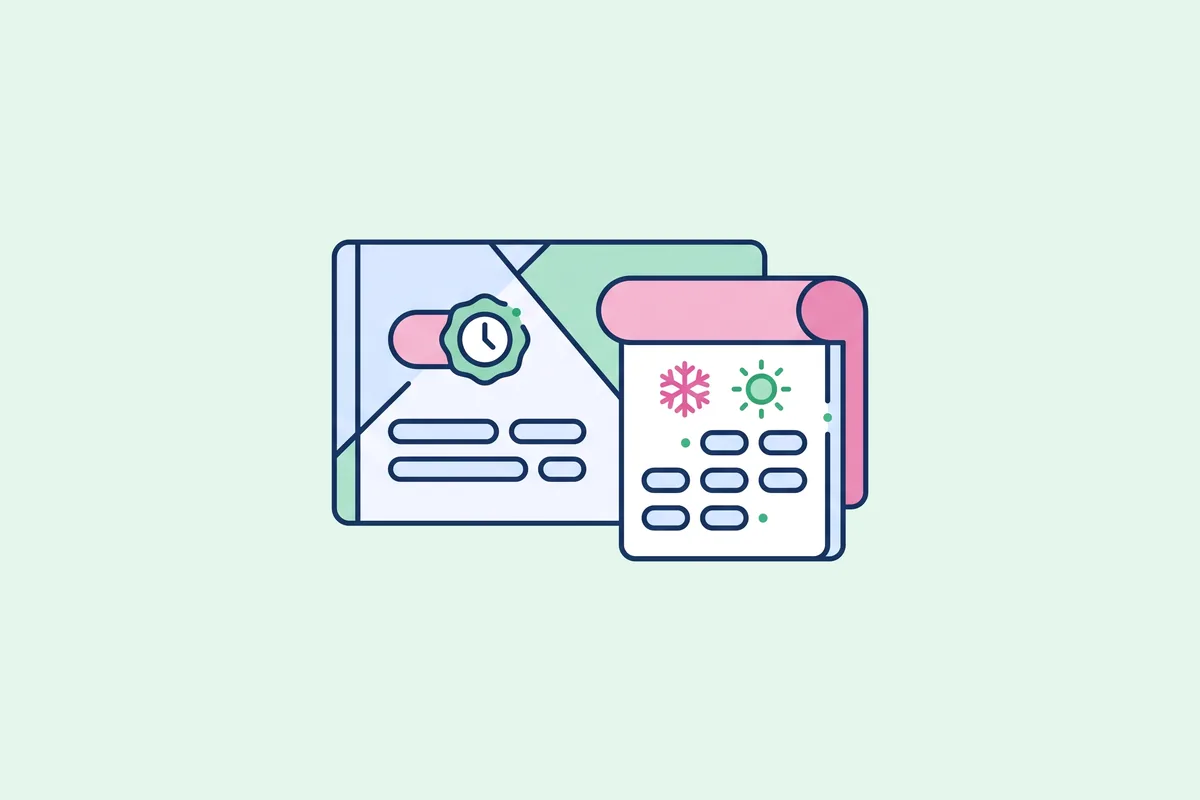
Temporary product filters surface seasonal promotions and limited collections. Learn how to use them to lift conversions without cluttering your store.
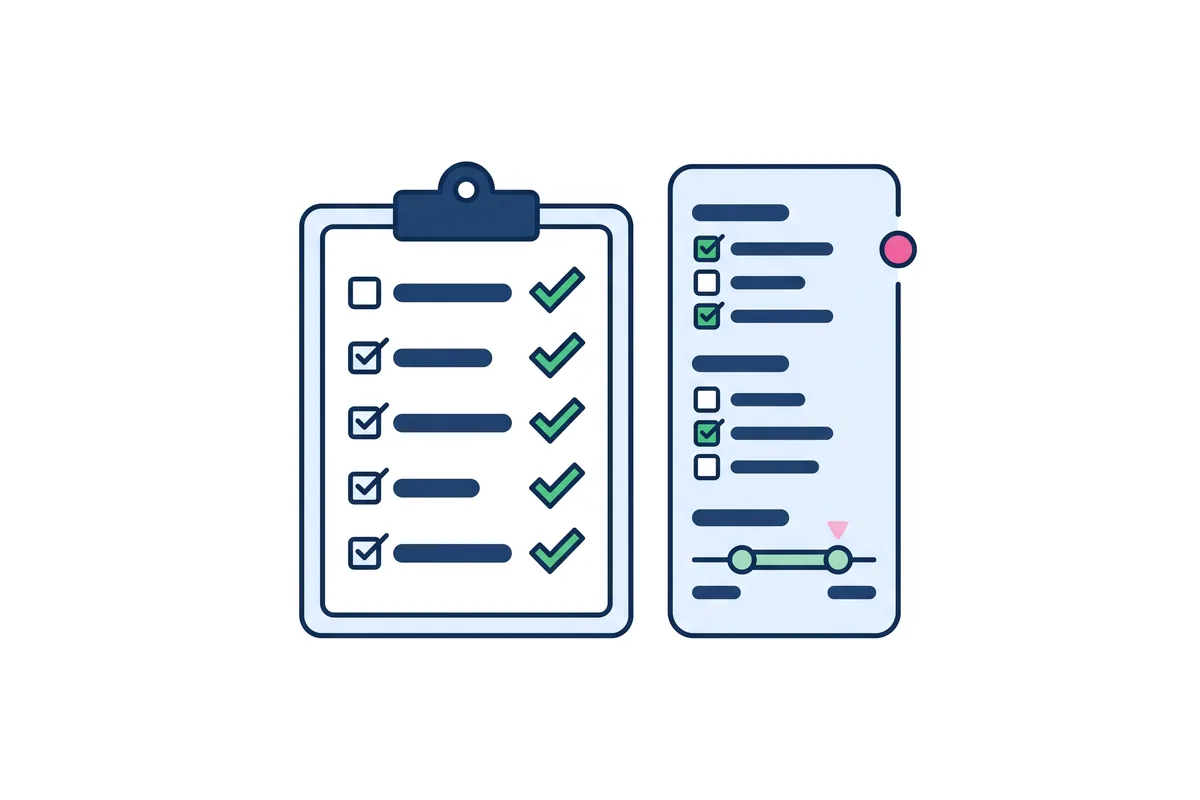
Every new filter affects site structure, user experience and SEO. Use this practical checklist to add ecommerce filters the right way, every time.
Newsletter