
Filters & Navigation
Dynamic Product Filters and How to Use Them
Dynamic filters adapt to context, stock and campaigns in real time. Learn how to use dynamic product filters to help shoppers find products faster.
Automate every step of your product catalog, from data enrichment and content creation to photo optimization.
Explore the PlatformStreamline operations with automated workflows for every industry, business model, and role.
Explore solutionsFilters & Navigation
Filters should guide shoppers, not confuse them. Learn a smart filter cleanup strategy, which filters to remove and which new ones to add instead.
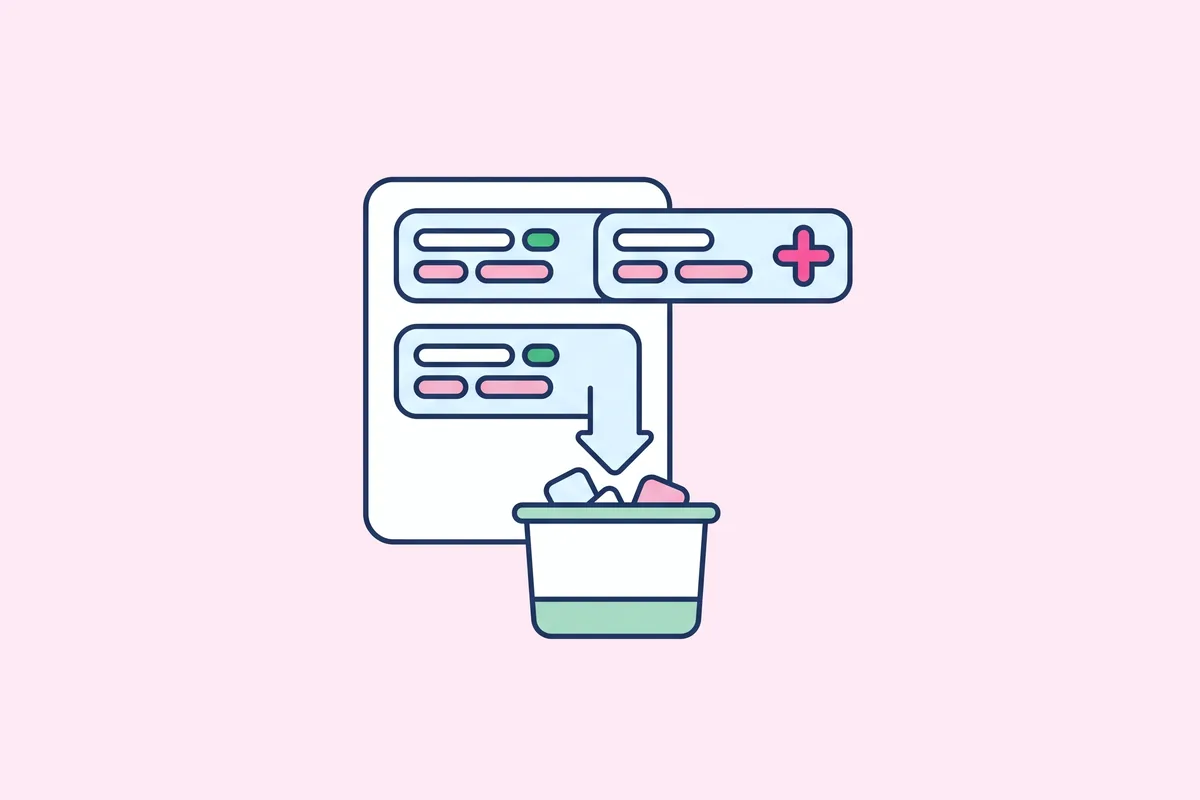
A smart filter cleanup strategy is essential to maintaining a high-performing ecommerce experience. Filters are meant to guide users, but outdated or unused ones can clutter the interface, confuse shoppers, and hurt conversions.
This guide walks through how to assess your filters, identify which ones to remove, and make smart decisions about what to replace them with.
Not every filter adds value. Some may be redundant, rarely used, or confusing in how they appear. Keeping them active can create friction, not clarity.
When filters don’t reflect how shoppers actually search, they become distractions. Too many filters increase cognitive load and risk burying useful options beneath irrelevant ones. A cleanup helps you streamline the experience, keeping navigation sharp and aligned with what customers actually need.
The first step in any filter cleanup strategy is knowing when a filter has outlived its usefulness. Filters that once made sense can become obsolete due to shifts in inventory, trends, or customer behavior.
Knowing which filters are doing more harm than good requires a combination of behavioral data and catalog context. Filters that rarely get clicked or cause page exits should be examined closely.
Removing a filter doesn't mean leaving a gap. Often, it's an opportunity to improve how shoppers explore your catalog.
Instead of simply deleting filters, use the moment to rethink how customers search. Replacement filters should bring clarity, align with browsing habits, and support merchandising priorities.
A successful filter cleanup strategy isn't a one-time task. Filters should evolve with your product catalog, seasonal shifts, and user behavior.
Making ongoing filter audits a part of your ecommerce workflow ensures you avoid bloated navigation over time. Keep an eye on analytics, listen to customer feedback, and test new options as needed.
An intentional filter cleanup strategy helps your ecommerce site stay lean, useful, and shopper-friendly. Removing what no longer serves and replacing it with smarter options boosts UX and increases the odds that customers find exactly what they want, faster.
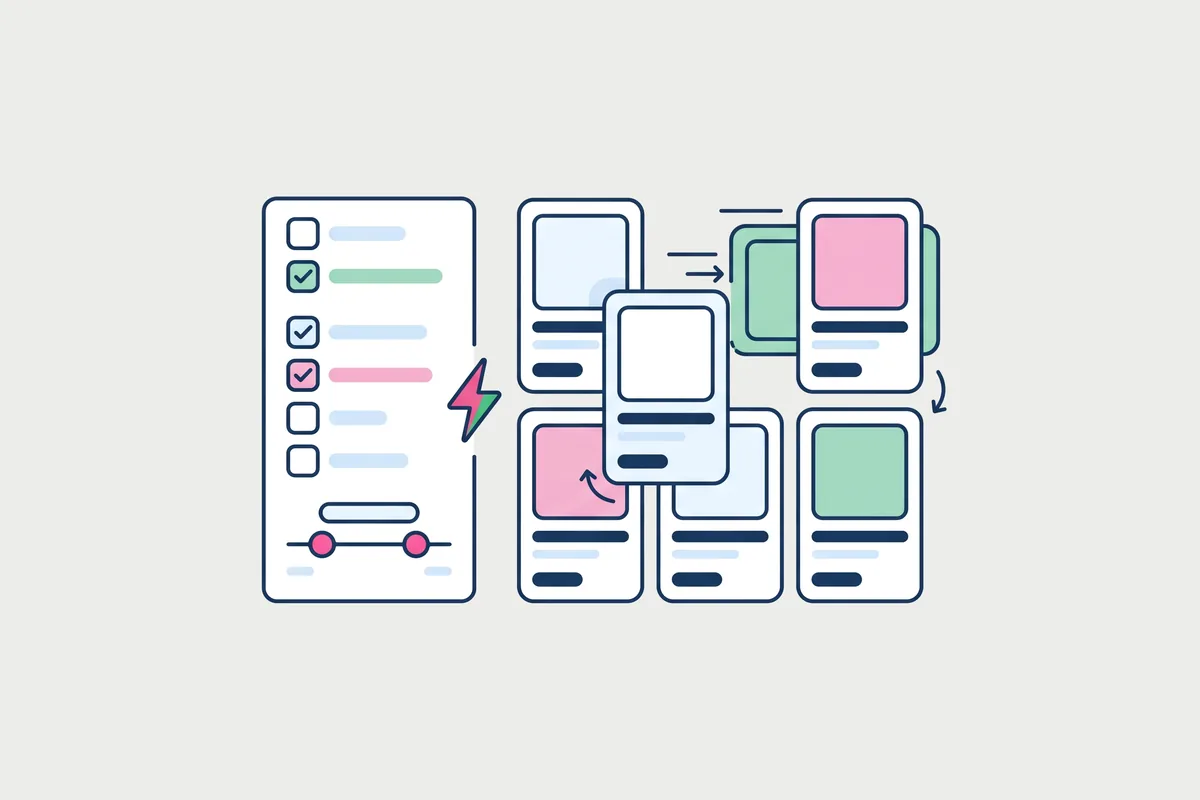
Dynamic filters adapt to context, stock and campaigns in real time. Learn how to use dynamic product filters to help shoppers find products faster.
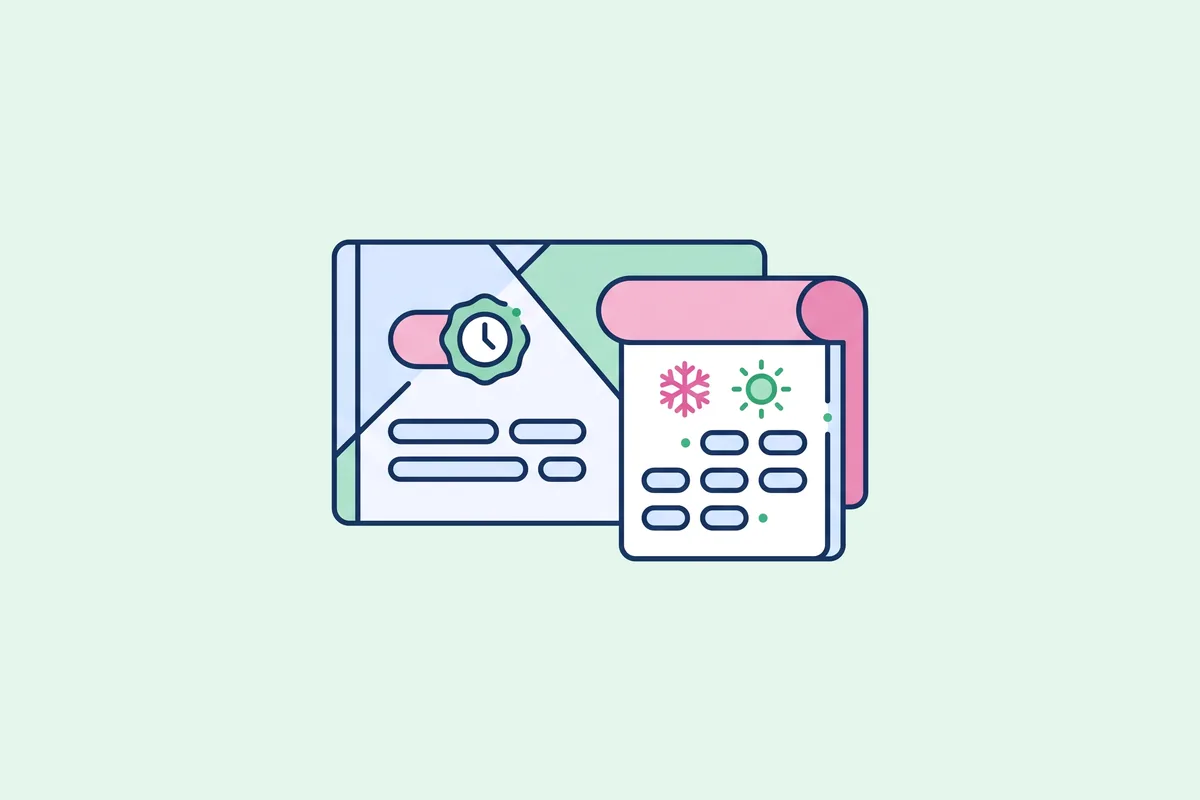
Temporary product filters surface seasonal promotions and limited collections. Learn how to use them to lift conversions without cluttering your store.
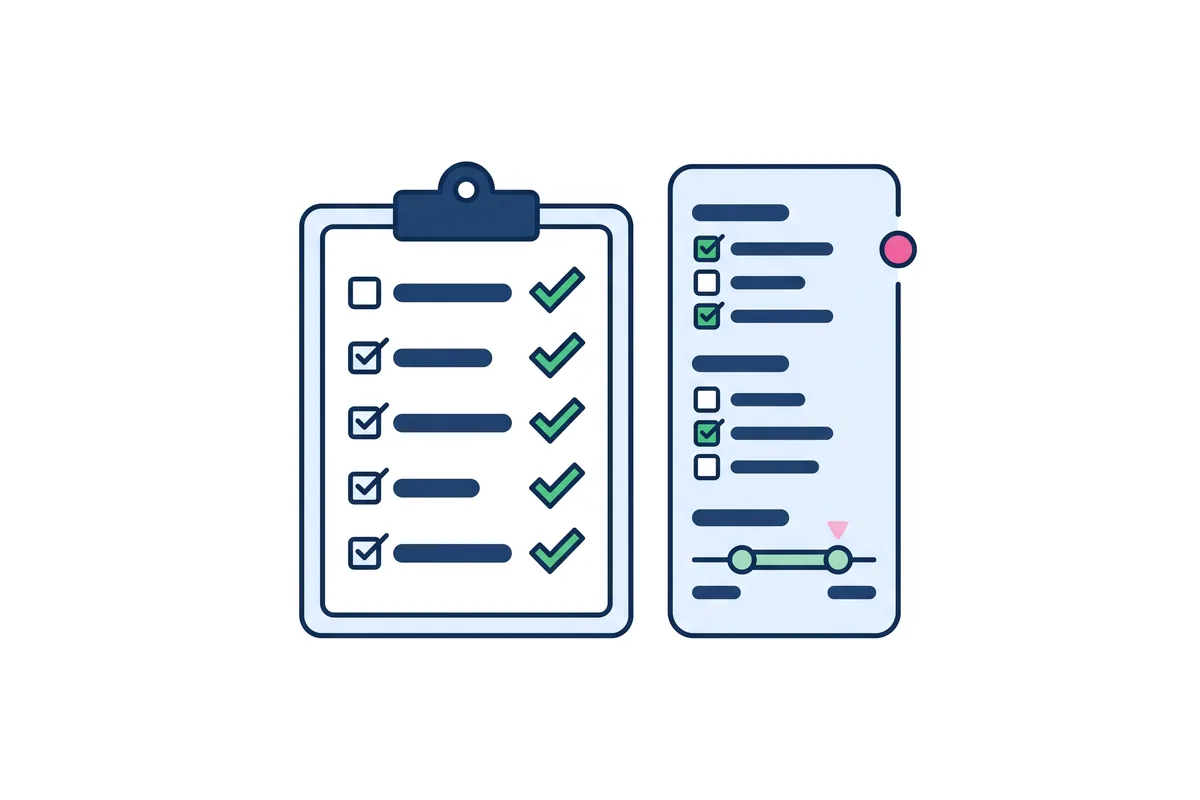
Every new filter affects site structure, user experience and SEO. Use this practical checklist to add ecommerce filters the right way, every time.
Newsletter