
Filters & Navigation
Dynamic Product Filters and How to Use Them
Dynamic filters adapt to context, stock and campaigns in real time. Learn how to use dynamic product filters to help shoppers find products faster.
Automate every step of your product catalog, from data enrichment and content creation to photo optimization.
Explore the PlatformStreamline operations with automated workflows for every industry, business model, and role.
Explore solutionsFilters & Navigation
Good filters make shoppers feel in control and decide faster. Learn how filter behavior in ecommerce shapes the path to purchase and conversions.
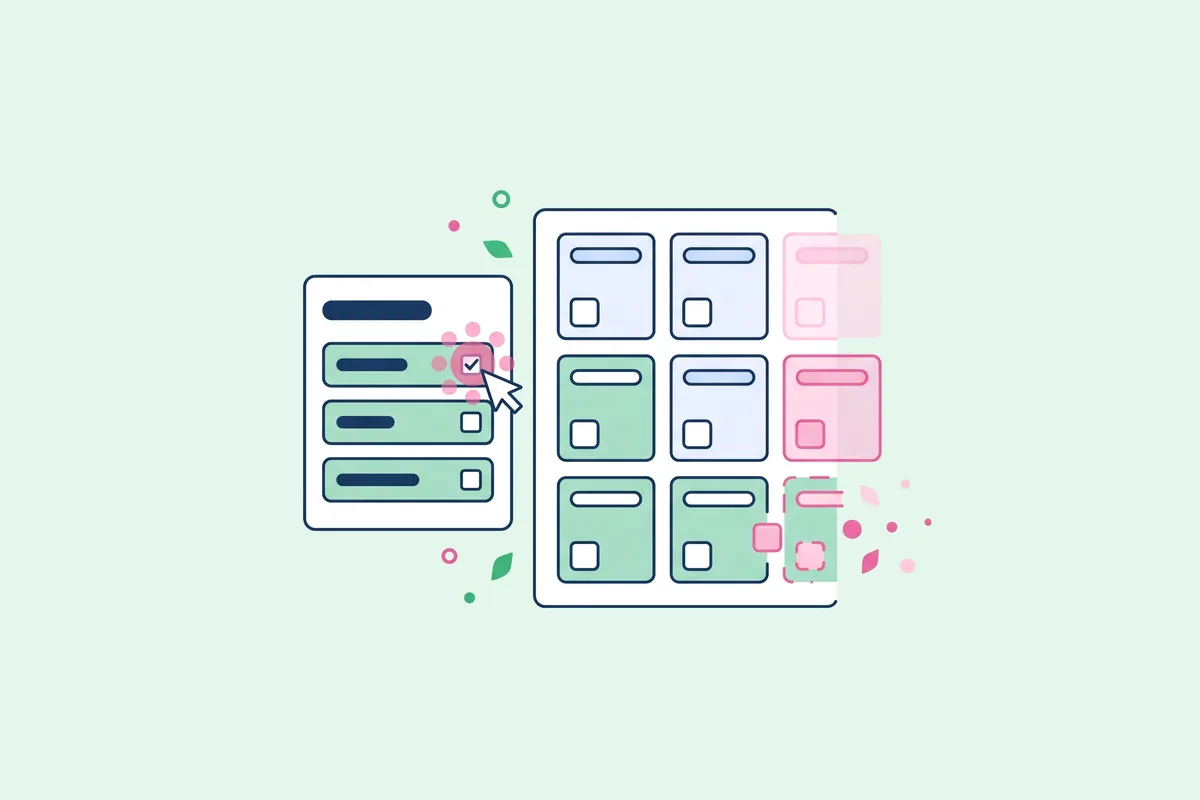
Filter behavior in e-commerce is more than UX, it’s customer psychology in action. When filters work well, users feel in control, make faster decisions, and convert more often. When they fail, frustration rises, and carts get abandoned. Understanding how and why people use filters helps stores design better paths to products and reduce decision fatigue.
Shopping online can be overwhelming. Hundreds of items, endless pages, dozens of choices. Smart filters reduce the noise. When users are given meaningful ways to narrow down options, they process information faster and feel more confident in their choices. This sense of control is critical to keeping them engaged.
Every filter applied feels like progress. It’s a small win, one step closer to the right product. This positive reinforcement is subtle but powerful. When the shopping experience feels like a guided journey rather than a scavenger hunt, users are more likely to stay and complete their purchase.
Data on filter usage reveals intent. Which filters do users apply first? Where do they drop off? This tells you what matters most. Is it price? Color? Size? Understanding this behavior helps optimize merchandising, content, and even product bundling.
Filter behavior in e-commerce isn’t random, it’s driven by goals. Track it, and you’ll find signals you can act on. For example, if most users apply a size filter first, make size more prominent. If many reset filters mid-session, your options may be unclear or too restrictive.
Good filters start with good data. Dynamo extracts and enriches product attributes using EANs and product images. This ensures filters are consistent, comprehensive, and reflect what users actually search for.
Pair that clean data with your own analytics: see how users move through your site, which filters they apply, and where they hesitate. With this insight, you can fine-tune options, reword labels, or restructure filter menus for better engagement.
Understanding filter behavior in e-commerce is key to smarter design and better conversion. When filters align with how people think and shop, they guide, not block. With Naratix, your filters become part of the sales strategy, streamlined, data-backed, and optimized for results.
Map filter behavior to better outcomes with AI support from Naratix.
Dynamic filters adapt to context, stock and campaigns in real time. Learn how to use dynamic product filters to help shoppers find products faster.

Temporary product filters surface seasonal promotions and limited collections. Learn how to use them to lift conversions without cluttering your store.

Every new filter affects site structure, user experience and SEO. Use this practical checklist to add ecommerce filters the right way, every time.
Newsletter