
Filters & Navigation
Dynamic Product Filters and How to Use Them
Dynamic filters adapt to context, stock and campaigns in real time. Learn how to use dynamic product filters to help shoppers find products faster.
Automate every step of your product catalog, from data enrichment and content creation to photo optimization.
Explore the PlatformStreamline operations with automated workflows for every industry, business model, and role.
Explore solutionsFilters & Navigation
Great filtering starts with what shoppers actually use. Learn the ecommerce filtering best practices that help shoppers decide and avoid overload.

Ecommerce filtering best practices begin with understanding what your users truly interact with. While filters are supposed to simplify product discovery, too many irrelevant options can overwhelm shoppers. This leads to what’s known as filter fatigue, a frustrating experience that often drives customers away before they convert.
In this article, we’ll explore how to spot signs of filter fatigue, how to analyze real usage data, and how to apply smarter filtering strategies to keep your users engaged and your conversions climbing.
Filters are designed to help shoppers navigate through large product catalogs quickly. But when every category page is filled with dozens of choices, most of them irrelevant, it doesn’t help, it hinders. Instead of speeding up the shopping process, it creates friction and delays.
Shoppers don’t want to think too hard. When filters are redundant, overly specific, or filled with terms they don’t understand, users stop using them. Instead of engaging with your store, they exit. That lost momentum is difficult to recover. This is why keeping your filters lean, relevant, and intuitive is essential.
If visitors consistently land on product listing pages but rarely engage with filters, it suggests your filter design or content is not useful.
Nothing kills trust faster than empty search results. One or two failed filter attempts and users stop using them entirely.
Terms like “Black,” “Jet Black,” “Midnight,” “Charcoal,” and “Graphite” add noise and slow down decision-making.
Long, unresponsive filters on small screens make the shopping experience tiring.
Improving filters starts with knowing what’s working and what’s not. Ecommerce filtering best practices rely on data, not assumptions. The goal is to keep what users value and trim what gets ignored or causes friction.
Review which filters get used most often and where user intent is strong.
Check which filters lead to product views vs. exits or zero results.
Some filters work alone but fail when combined. Fix the dead ends.
Mobile UX requires special attention. Small screen frustration impacts conversions.
This approach keeps your filtering system lean, effective, and aligned with shopper needs.
Use consistent naming across all products to group similar items under intuitive filters.
Update filter data regularly to reflect changes in product lines or inventory.
Check performance and usability every quarter to remove clutter and improve UX.
Manual filter audits are possible, but they take time and leave room for human error. AI tools like those in the Naratix platform make it easier to enforce ecommerce filtering best practices across your catalog.
These tools can scan product data, spot inconsistencies, suggest better naming, and identify filters that users never interact with. With automation, you save time, stay consistent, and improve customer experience without guesswork.
More filters don’t mean more clarity. In fact, they often create confusion, decision fatigue, and drop-offs. Ecommerce filtering best practices focus on simplicity, precision, and relevance. The fewer barriers you place between product discovery and checkout, the more confident your users feel, and the better your business performs.
Filter fatigue is real, but it's avoidable. With the right insights and the right tools, your filtering system can become a powerful advantage rather than a hidden problem.
Naratix helps you detect what’s working, clean what’s not, and scale smarter filtering strategies with AI-powered support. Book your demo and simplify your shopper’s journey today.
Dynamic filters adapt to context, stock and campaigns in real time. Learn how to use dynamic product filters to help shoppers find products faster.
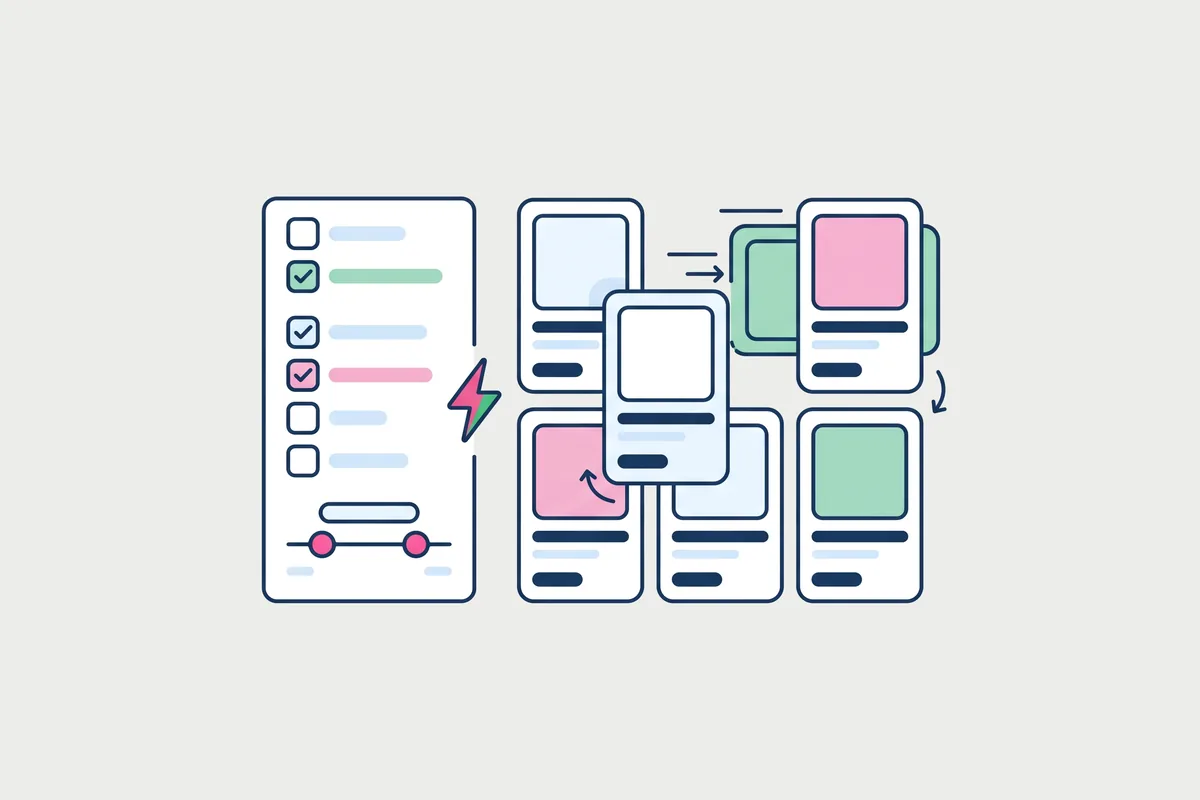
Temporary product filters surface seasonal promotions and limited collections. Learn how to use them to lift conversions without cluttering your store.

Every new filter affects site structure, user experience and SEO. Use this practical checklist to add ecommerce filters the right way, every time.
Newsletter