
Filters & Navigation
Dynamic Product Filters and How to Use Them
Dynamic filters adapt to context, stock and campaigns in real time. Learn how to use dynamic product filters to help shoppers find products faster.
Automate every step of your product catalog, from data enrichment and content creation to photo optimization.
Explore the PlatformStreamline operations with automated workflows for every industry, business model, and role.
Explore solutionsFilters & Navigation
Filters help shoppers discover, compare and buy. Learn how to tell whether your ecommerce filters are helping or hurting the shopping experience.
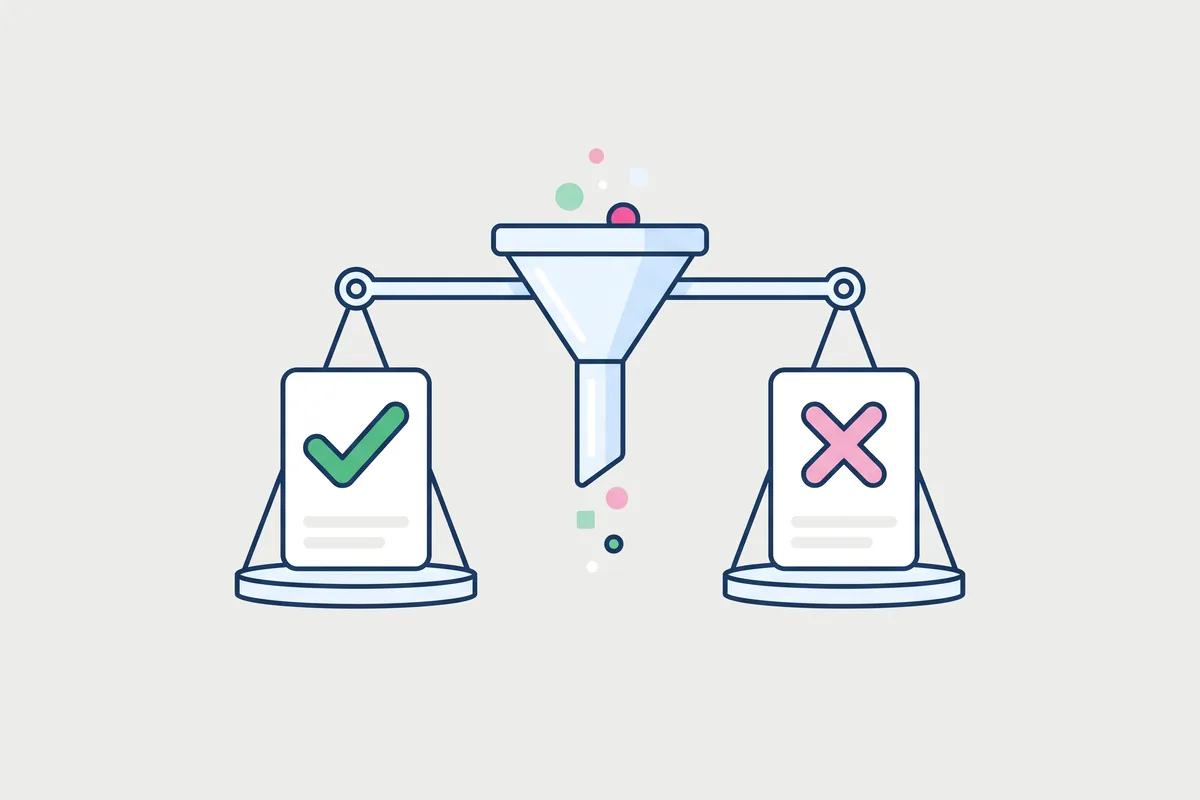
Product filter UX can make or break how customers interact with your online store. Filters are often seen as a basic feature, but they play a powerful role in helping users discover, compare, and buy the right products. When filters are designed well, they create a smooth and intuitive shopping journey. But when they are irrelevant, broken, or overloaded, they frustrate users and drive them away.
This article breaks down how to evaluate your filters, spot common usability issues, and improve the overall shopping experience without having to redesign your entire site.
Filters help users quickly move from browsing to buying. In a store with hundreds or thousands of SKUs, filters offer clarity. They let people find products that match their needs, budget, and preferences, fast. That speed is essential in ecommerce, where users expect convenience and instant results.
But filters aren’t just technical tools. They shape how people feel about your store. If the filters work well, users feel confident and in control. If they don’t, shoppers may feel lost, overwhelmed, or even misled. That emotional friction can ruin the entire experience, no matter how good your products are.
It’s not always obvious that your filters are causing problems. Sometimes, shoppers leave without saying why. But under the surface, filter issues are often to blame. Here are some red flags that suggest your filtering system could be working against you:
This is one of the most damaging filter problems. If a user selects several options and ends up with no products to view, the experience immediately feels broken.
More isn’t always better. Long filter panels create clutter and decision fatigue, especially on mobile devices.
Creative terms that don’t make sense to users will be ignored. Clear language always wins in filters.
Filters can’t group similar items if product tags use different language for the same thing, like “Red” versus “Crimson.”
A poor product filter UX affects more than just the filter panel. It disrupts the full customer experience. When users struggle to narrow down results or hit dead ends, they lose patience and leave.
These are not small problems. They directly impact your revenue and long-term growth.
Good filters are invisible in the best way. They blend into the browsing experience and make it feel smooth, smart, and satisfying. A high-performing filtering system doesn’t need to be flashy, it just needs to work well.
These basics might seem simple, but getting them right takes real attention to detail.
Improving your filters starts with understanding where they fall short. That doesn’t mean you have to guess. With the right approach, you can quickly find what needs fixing and where the biggest wins are.
Use analytics to see how often filters are used, and if they lead to product views or exits.
Check if product attributes are consistent across all categories and brands.
Follow real search scenarios and see where the filter experience breaks down.
Make sure filters are easy to tap, scroll, and close on smaller screens.
If your store has grown rapidly, your filters may not have kept pace. A filter system that worked well for 300 products may start to crack under 3,000. If you’re seeing rising bounce rates, declining engagement, or customer complaints, it may be time to revisit your approach.
Even small improvements, like merging similar filter values, updating outdated tags, or simplifying options, can have a big impact.
Better filters help everyone. Your users find what they need faster. Your team gets cleaner analytics. And your SEO benefits from more structured, meaningful product paths.
More importantly, strong filters build trust. When shoppers feel confident navigating your store, they’re more likely to explore, stay longer, and come back again. That’s the true power of great product filter UX.
The takeaway is simple. Filters aren’t just functional, they’re emotional. They shape how your customers feel about your brand and how easily they can buy from you. Don’t let bad filters quietly cost you sales.
If you’re ready to improve product filter UX without the guesswork, Naratix can help. Let’s clean up your filters, fix the flow, and make every search smoother. Book a demo today.
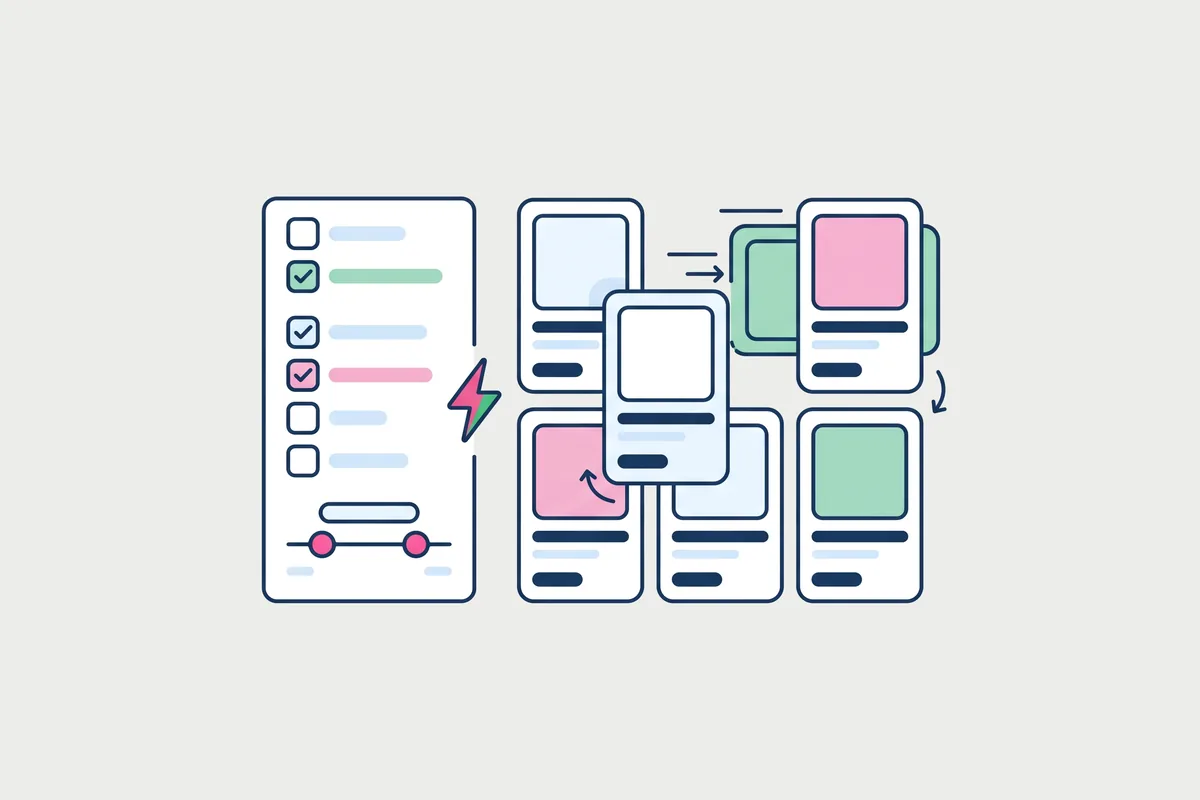
Dynamic filters adapt to context, stock and campaigns in real time. Learn how to use dynamic product filters to help shoppers find products faster.
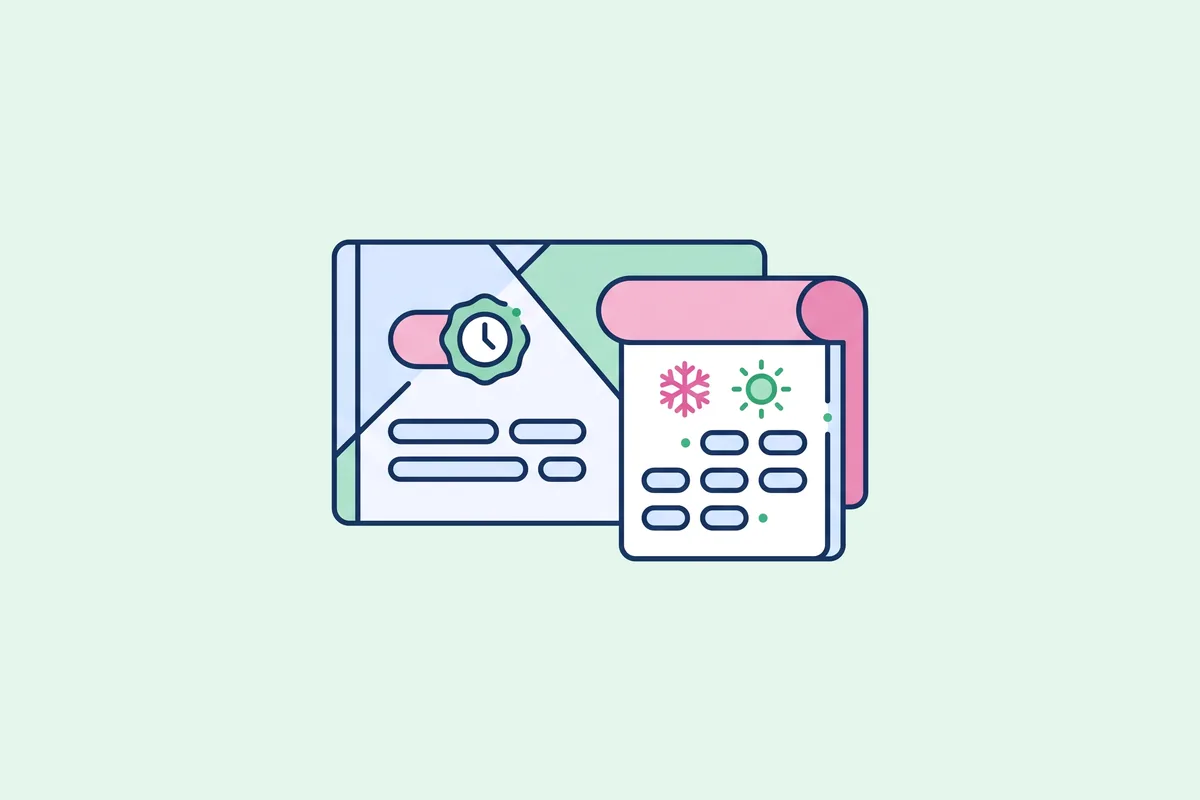
Temporary product filters surface seasonal promotions and limited collections. Learn how to use them to lift conversions without cluttering your store.
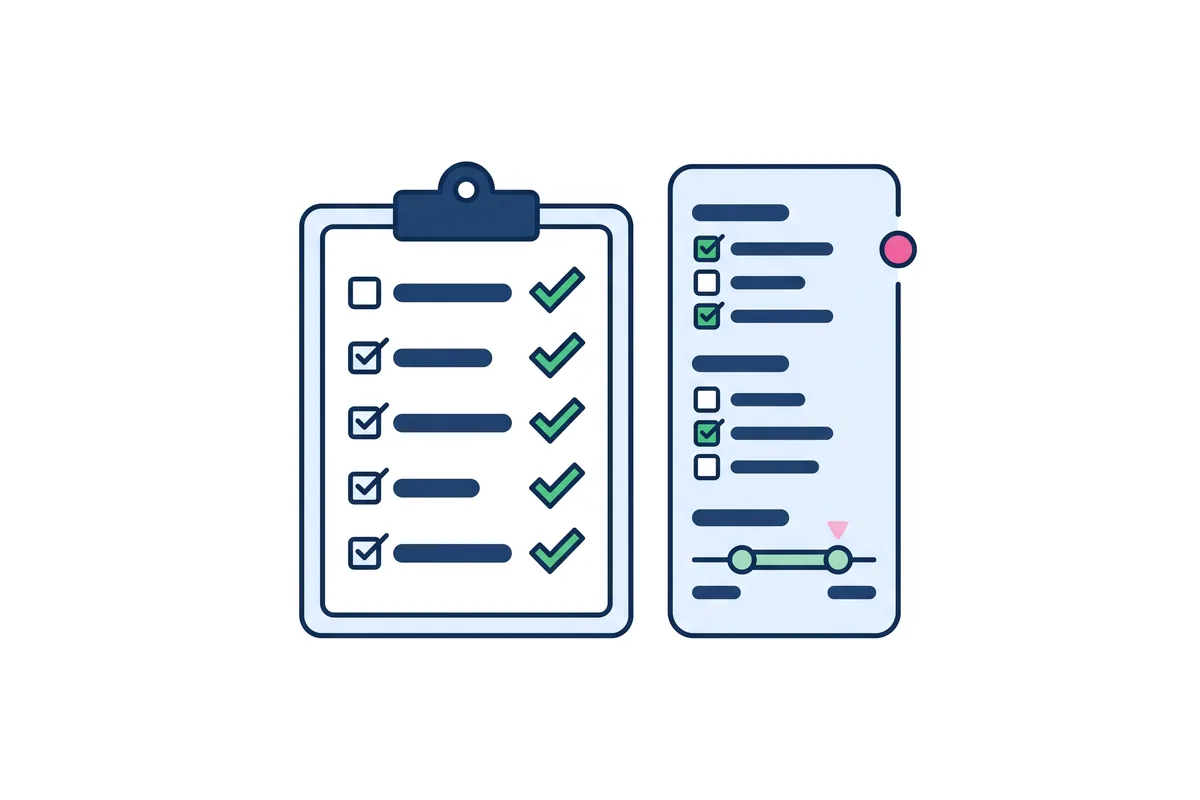
Every new filter affects site structure, user experience and SEO. Use this practical checklist to add ecommerce filters the right way, every time.
Newsletter