
Product SEO
Boost Organic Traffic with Better Product Descriptions
Low clicks are often a content problem, not an ads problem. Learn how better product descriptions grow organic traffic to your product pages.
Automate every step of your product catalog, from data enrichment and content creation to photo optimization.
Explore the PlatformStreamline operations with automated workflows for every industry, business model, and role.
Explore solutionsProduct SEO
Category keyword optimization is one of the best ways to grow organic traffic. Find the keyword gaps your category pages miss and how to close them.
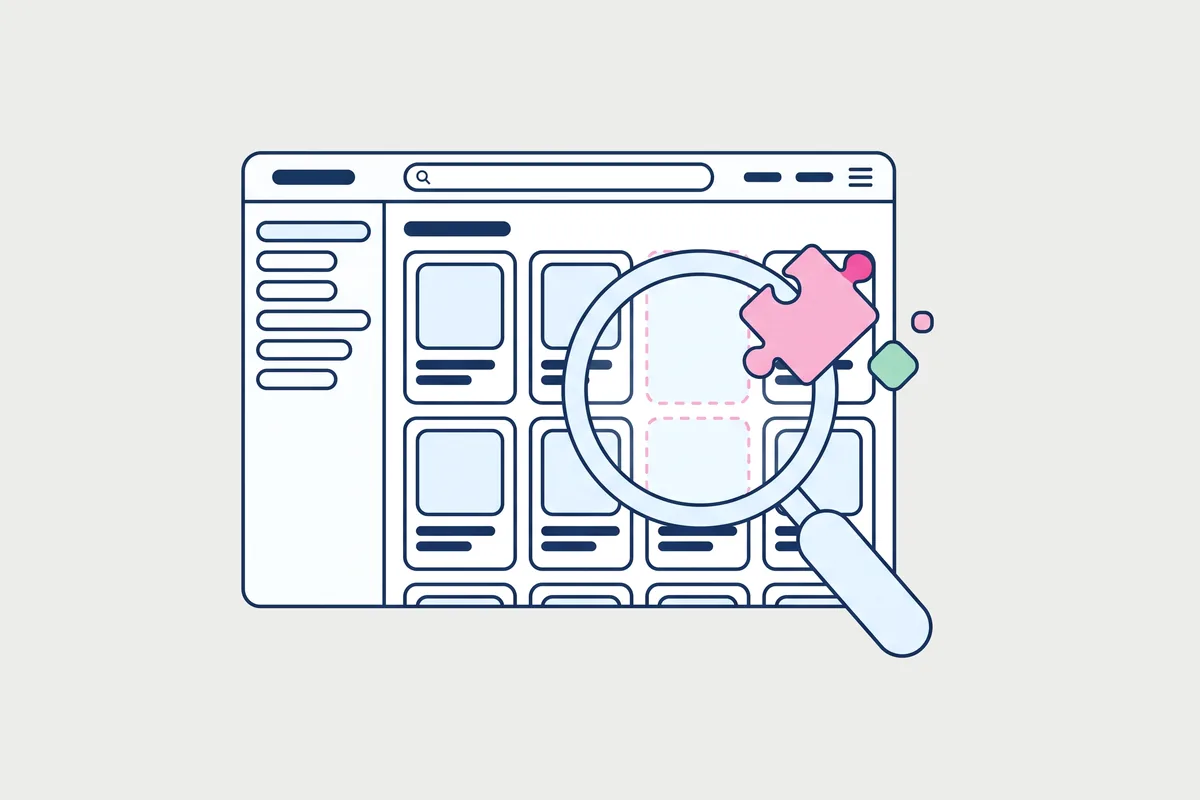
Category keyword optimization is one of the most effective ways to increase organic traffic to your online store. But many e-commerce teams still treat category pages as static templates instead of SEO opportunities. While product pages are often optimized with care, category pages are left with thin content or irrelevant terms. These gaps mean missed rankings, lower visibility, and lost sales. If your SEO strategy overlooks category pages, now is the time to fix that.
Your category pages sit at the top of your product structure. They organize items by type, purpose, or theme. More importantly, they attract broad, high-volume searches like “office chairs” or “organic skincare.” These terms are critical for bringing in top-of-funnel users who are exploring their options.
A well-optimized category page helps with both traffic and engagement. It signals relevance to search engines and guides users to the right section of your store. Without it, even the best product listings may stay hidden. By focusing on category keyword optimization, you make your store easier to find and more enjoyable to navigate.
Even if you’ve added basic SEO terms to your category descriptions, there are still several ways your content may be underperforming. These gaps are easy to overlook but important to fix.
Users often search with slightly different terms than what you use on the page. A category labeled “formal shoes” might miss traffic from people searching for “dress shoes” or “business shoes.” When you rely on just one term, you limit your reach.
Phrases like “for women,” “with arch support,” or “on sale” indicate specific buyer intent. These long-tail keywords help you attract users who are closer to making a decision. Leaving them out creates a missed opportunity to connect with high-intent visitors.
Search trends shift quickly. If your category descriptions never update, they may miss timely terms like “summer collection” or “back to school.” These timely updates not only attract traffic but also improve relevance for returning users.
Your site’s search queries show what your customers are really looking for. If you don’t check this data, you may be ignoring high-value keywords that should be included on your category pages.
To improve category keyword optimization, follow a consistent process that balances search visibility with user experience.
Start by researching one main keyword and two to three supporting phrases. Use SEO tools to evaluate search volume, relevance, and competition.
Create a short paragraph using your keywords naturally. Avoid repeating the same copy across multiple pages. Focus on clarity, tone, and intent.
Include links to subcategories or featured collections. This supports SEO and keeps visitors exploring deeper into your store.
Update category copy every quarter. Adjust based on seasonal shifts, new product lines, and customer behavior insights.
Use analytics to measure ranking, click-through rates, and engagement. Make small changes, test results, and keep improving.
One of the simplest ways to close keyword gaps is to use the language your customers use. This means reviewing your category labels and descriptions to make sure they match real-world search terms.
When you align your page copy with customer language, you gain relevance and trust. That makes your category pages stronger across both SEO and conversions.
Category keyword optimization is not just a technical task, it’s a strategic opportunity. When you fill in keyword gaps and write content that reflects how your customers search, you boost visibility and make it easier for users to buy. Review your existing category pages, look for missed terms, and start closing the gaps with natural, benefit-driven copy. Small changes can lead to big wins.
Low clicks are often a content problem, not an ads problem. Learn how better product descriptions grow organic traffic to your product pages.
Recycled manufacturer text hurts indexing and rankings. Learn how unique product copy lifts your pages in search and brings in more organic traffic.
Generic content no longer ranks. See how AI product descriptions improve search visibility as search engines and AI assistants get smarter.

Newsletter